

























































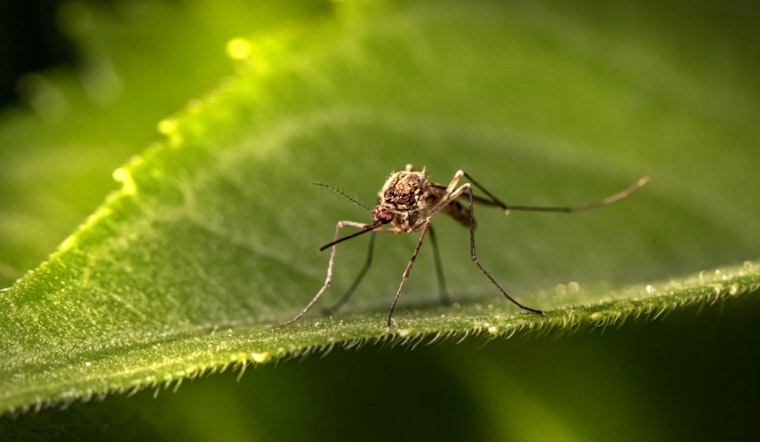
As the dreariness of winter recedes and the balmy embrace of spring clutches North Carolina, the North Carolina Department of Health and Human Services (NCDHHS) is revving up its efforts to shield residents from the pesky threats of tick and mosquito bites. With more than 900 reported cases of vector-borne diseases in 2024 alone, the "Fight the Bite" campaign is back to advocate for prevention measures against these illnesses.
April is marked as Tick and Mosquito Awareness Month, and this year, the campaign features an educational twist – NCDHHS had invited students from K-12 to contribute to the cause by submitting posters, aimed to educate the public on ways to avoid bites. According to the NCDHHS press release, winners will be revealed later this month on their "Fight the Bite" webpage.
Addressing the surge in vector-borne diseases, Emily Herring, Public Health Veterinarian, pointed out the importance of self-protection. "We encourage all North Carolinians to protect themselves from tick and mosquito bites by wearing long sleeves and pants, using EPA-approved repellents, and checking for ticks after spending time outdoors," she told NCDHHS press release. The state witnessed a particular rise in Lyme disease and Ehrlichiosis last year, accounting for 33% and 38% of tick-borne diseases, respectively.
Beyond the obvious measures like decking oneself in long sleeves and tick checks, there's simple landscaping techniques to keep these biters at bay. Pruning the bushes, managing leaf litter, and keeping the grass trim, are all methods suggested by NCDHHS to minimize tick habitats. With mosquitoes, the department advises using approved repellents, considering the treatment of clothing with permethrin, and deploying the "Tip and Toss" strategy – which includes emptying standing water from common household items to prevent mosquito breeding.
North Carolina has seen its fair share of mosquitoes, having ranked second only to Ohio in reported cases of La Crosse virus from 2003 to 2023. For those bitten by the travel bug as well, the department encourages discussions about exotic mosquito-borne diseases with healthcare providers prior to international travel and emphasizes on staying informed about prevention measures, including necessary vaccines, tailored to their destinations.




