

























































As the mercury climbs, our not-so-beloved mosquito friends are making their dreaded comeback. The Ohio Department of Health is jumping into action, arming citizens with the know-how to steer clear of these winged nuisances and the diseases they deliver. In an announcement shared ahead of mosquito season, officials laid out a game plan for Ohioans to fortify their defenses against these tiny bloodsuckers.
According to the Ohio Department of Health, in a recent feature, Dr. Richard Gary Jr., the State Public Health Entomologist, cautioned the public about the not-so-innocent bite of a mosquito. "At first, a mosquito bite may just seem like an annoying, itchy bump, but a bigger concern is the risk of mosquito-borne disease, which lasts long after the itching stops," Gary explained. With diseases like West Nile virus, Zika, La Crosse, and even malaria on the roster, Ohio's Department of Health isn't pulling punches about the potential threats that come from neglecting mosquito control.
Prevention is the watchword, and it starts with residents taking steps to halt mosquito breeding grounds flourishing on their turf – meaning pools of stagnant water are out. Whether you're lounging in your backyard or trekking across continents, the advice is universal: avoid mosquito bites like the plague. And while planning ahead may seem a task reserved for traveling, the Ohio Department of Health suggests thinking ahead even for short strolls to the park.
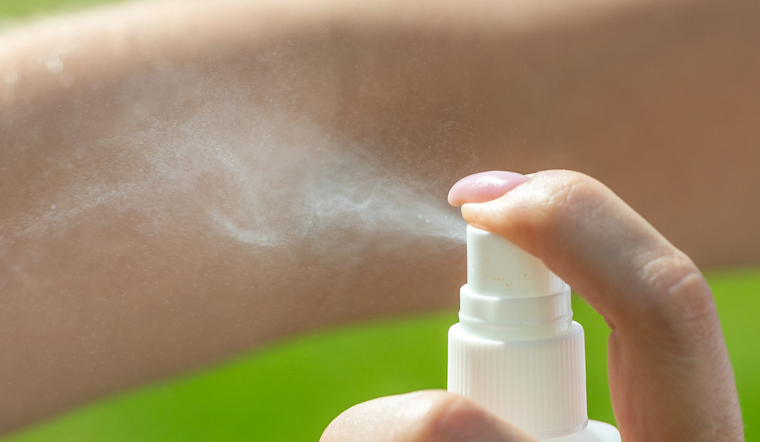
While enjoying the great outdoors, risks can be minimized through the use of repellents and proper attire – throw on a long-sleeved shirt and pants if you can stand the warmth. The department also stresses the importance of community action, pointing to the fact that dismantling breeding sites and being vigilant about protective measures doesn't just safeguard one's skin. It helps protect the entire neighborhood. "The best way to prevent mosquito-borne diseases is to avoid mosquito bites, stop mosquito breeding, and plan ahead when traveling or spending time outdoors," a quote reaffirmed from the Ohio Department of Health announcement.





