

























































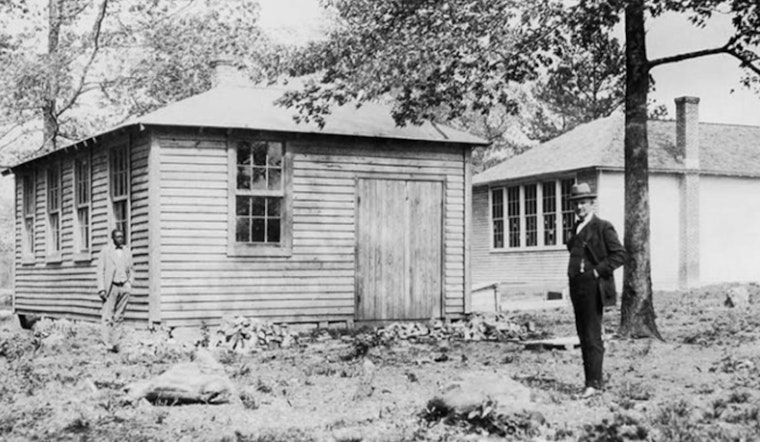
Raleigh, North Carolina will soon see a new point of historical interest as the N.C. Highway Historical Marker Program announces the dedication of a marker honoring Nathan C. Newbold, an influential figure in the realm of education for African American students, according to the North Carolina Department of Natural and Cultural Resources (DNCR). The dedication is slated for April 25 at 1 p.m., fittingly located at the intersection of Hillsborough Street and West Park Drive in Raleigh.
Regarded as an advocate for Black educational opportunities during the segregation era, Newbold's legacy is rooted in his tenure as director of the Division of Negro Education, his work securing over 843 Rosenwald Schools in North Carolina, which served Black students during segregation, and his involvement with the North Carolina Commission for Interracial Cooperation. Despite the limitations imposed by the segregated South Newbold's determination led him to successfully lobby for matching funds for the construction of rural schools which greatly expanded the educational landscape for African Americans at the time.
The marker will bear the description "White advocate for Black opportunities within the system of segregation," recognizing Newbold's contributions even within the constraints of his era. Born in Pasquotank County in 1871 and a graduate of Trinity College, now Duke University, Newbold committed his life to bettering educational opportunities for Black students before passing away in his Raleigh home on December 23, 1957, as reported by the North Carolina Department of Natural and Cultural Resources.
The Highway Historical Marker Program, a joint effort by the DNCR and the N.C. Department of Transportation, facilitates these recognitions, and the initiative is integral to preserving the state's multifarious history, offering a tangible acknowledgment of North Carolina's past figures and events that have shaped the cultural and educational landscape of the state today.
Given the responsibility of managing over 100 locations including historic sites, museums, state parks, and more, the DNCR aims to enhance access to North Carolina's rich heritage and cultural resources; its programs aim not only to remember figures like Newbold but to stimulate continuous growth and community resiliency by engaging with the state's diverse history and cultural expressions.





