

























































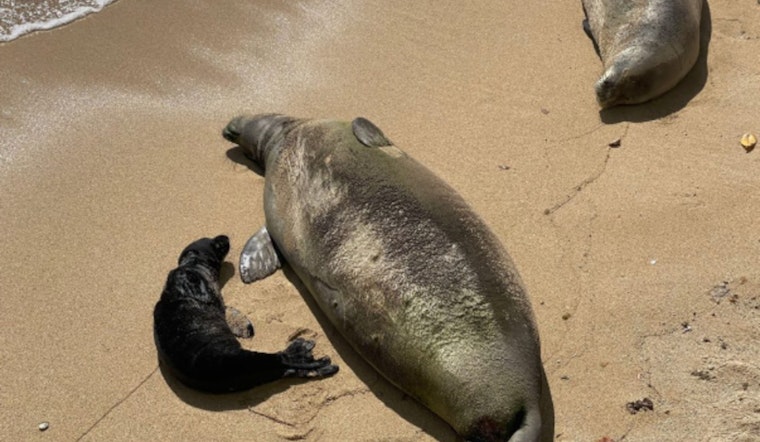
The endangered Hawaiian monk seals, native to the archipelago, are in the thick of their peak pupping season, and their numbers are on the rise in the main Hawaiian Islands, which is both a delight and a cautionary tale for beach-goers as the cuddly, yet protective mothers could make a scene if they feel threatened by too-close humans or pets. According to the Department of Land and Natural Resources (DLNR), 34 pups graced the isles in 2024, and as of now, three furry newcomers have splashed into 2025.
These seals are critical to the local ecology but, having humans and unfettered dogs nearby could cause unnecessary stress or danger mothers will nurse for five to seven weeks and they don't take kindly to nosy intruders during this period. "Monk seals give birth year-round, but March through August is when we see the majority of these adorable—and endangered—pups make their debut," Brian Neilson, administrator of the DLNR Division of Aquatic Resources, told DLNR. Local authorities and conservation agencies are doubling down to monitor these vulnerable mom-pup pairs, particularly where flipper meets flip-flop on frequented beaches.
To keep both human and seal residents out of harm's way, the NOAA and DLNR advise beach-goers to maintain a respectful distance of at least 150 feet from nursing monk seals. Dogs should always be leashed to prevent any unexpected wildlife encounters. Any sighting of these seals should be promptly reported to the NOAA Marine Wildlife Hotline at 888-256-9840. "We appreciate everyone's understanding and support during these crucial nursing periods. Let's admire from afar to keep everyone safe," Neilson emphasized, highlighting the shared responsibility to safeguard these endangered animals during such a critical stage in their life cycle.





