

























































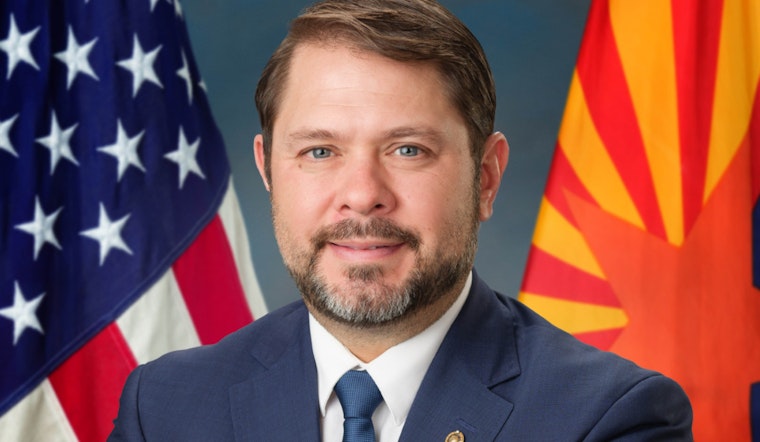
In a bold move against the Trump administration's latest trade decision, Senator Ruben Gallego (D-AZ) is pushing back against a planned 21 percent tax on Mexican tomato imports. This tax stems from the administration's intent to pull out from the 2019 Tomato Suspension Agreement, which could lead to a significant spike in tomato prices across the United States. In his plea, Gallego emphasized the potential hardships American families might face, citing studies that suggest there could be up to a 50% increase in tomato prices should the decision stand firm.
According to a press release from Senator Gallego's office, the Senator expressed concern about the ripple effects these higher prices would have on American jobs, especially those in Arizona. "The result of terminating this agreement will be higher prices for American families, fewer options at the grocery store, and fewer American jobs," wrote Gallego. Briefly mentioned in his communication, Senator Gallego argued that the tomato supply chain employs upwards of 33,000 workers in roles stretching from the Nogales Port right into American kitchens.
Gallego's advocacy for maintaining the Tomato Suspension Agreement isn't new. He previously made clear his stance in an op-ed penned for the Arizona Daily Star back in December of 2023, under the banner 'Arizona can’t afford a new ‘tomato tax’.' His persistent defence of the agreement points to its importance for his constituency and the broader national economic landscape.
With the new tax, not just the financial burden but also the fates of thousands employed across related sectors – like trucking, warehousing, and retail – hang in the balance. Senator Gallego made it clear in his letter, stating, "The termination of this agreement puts these good-paying jobs at risk," as they assist in moving fresh tomatoes from Mexican fields through the Nogales Port directly to American consumers. This course of action, threatened to be disrupted by the administration, portrays a discord between trade policy and the livelihood of American workers.



