

























































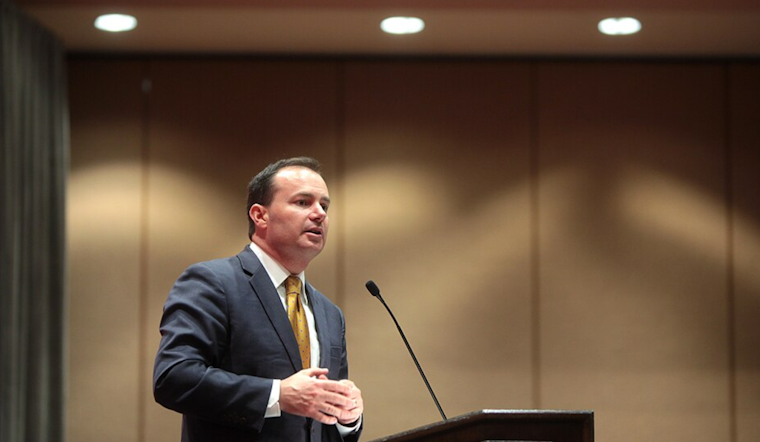
Senator Mike Lee of Utah has put forth a legislative proposal to overhaul the Supplemental Nutrition Assistance Program (SNAP), with a clear intention to embed stricter work mandates and to plug what he sees as gaps contributing to its misuse. As reported on Lee's official senate webpage, the SNAP Reform and Upward Mobility Act was simultaneously introduced in the House by Representative Josh Brecheen of Oklahoma, signaling a concerted effort to shift the trajectory of the federal food assistance program.
"SNAP was designed to provide temporary relief to vulnerable people facing difficult times, not a permanent subsidy for able-bodied adults," as Lee's Senate Office reads. The act, largely supported by Lee's constituents, aims to enforce work requirements that purportedly save taxpayer money and bolster the integrity of the program intended for families in acute need. In contrast to Lee's vision, critics point to the essential safety net SNAP represents for many Americans, arguing that the reforms could unduly penalize the most susceptible.
Rep. Brecheen has expressed similar concerns about federal mismanagement of SNAP, stating, as per Lee's Senate Office, "This has created a culture of dependency instead of opportunity." Details shared by the senator's office indicate the rollout of a temporary bipartisan commission within the Census Bureau tasked with enhancing income and poverty measurement—a commission to be funded with $1 million for its operations. Further requirements include stringent work provisions for individuals aged 16 to 64, with particular conditions for those with older dependents.
While the legislation introduces severe penalties for unauthorized use of Electronic Benefits Transfer (EBT) cards, it also mandates the resumption of publishing annual SNAP State Activity Reports—a move towards transparency that has bipartisan supporters. Amidst the plethora of proposed changes, one of the more contentious is the requirement for SNAP beneficiaries to comply with fraud investigations, coupled with the tightening of the broad-based categorical eligibility criterion, a mechanism that currently extends benefits accessibility.




.jpg)