

























































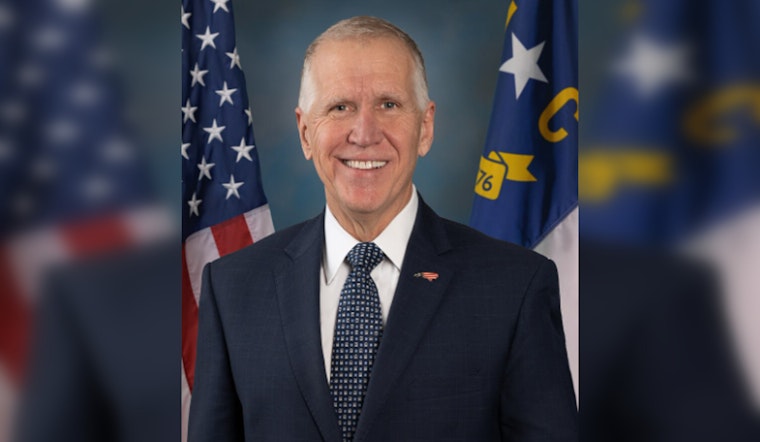
In an effort to curb what he deems as "unconstitutional judicial overreach," Senator Thom Tillis has put his weight behind the Judicial Relief Clarification Act of 2025, a piece of legislation aimed at reining in the power of the federal courts, according to the Senator Thom Tillis official Senate page. The bill would specifically restrict federal court orders to directly involved parties, thereby challenging the growing trend of universal injunctions, which have wide-reaching implications beyond just the participants in a case.
By pushing forward the JRCA, Senator Tillis seeks to curtail these sweeping court decisions and establish a necessity for class action lawsuits if parties seek nationwide relief, aligning with what some constitutional scholars echo as being reflective of Article III, Section 2, which limits courts to deciding specific "cases" or "controversies". In a statement obtained by the Senator Thom Tillis official publication, Tillis articulated his views, "The judiciary branch plays an important role in our nation’s political system, but it has become clear that the federal court’s use of nationwide injunctions is unsustainable", adding that this legislation will "clarify the scope of judicial rulings and increase the threshold for judges to issue decisions that affect every American."
This legislative move comes amidst a backdrop where universal injunctions are perceived as undermining procedural norms, with instances where a singular district judge's order can halt national policies indefinitely—spawning a debate that isn't bound by political lines. Justice Neil Gorsuch and Justice Clarence Thomas have previously pointed out, as did Justice Elena Kagan, the potential issues with one judge holding the power to stop a national policy in its stride—often leaving it in limbo through prolonged litigation phases, as reported by the Senator Thom Tillis Senate page.
The Supreme Court hasn’t stepped in to stop this practice, even though it has the power to. Now, the JRCA wants to change the Administrative Procedure Act and the Declaratory Judgment Act. These changes would limit court decisions to just the people involved and make temporary restraining orders easy to appeal. The goal is to prevent judges from making decisions that affect people outside the courtroom. This bill is Senator Thom Tillis latest effort to stop what some see as judicial overreach.
While the debate over the role and reach of federal courts is ongoing, the introduction of the Judicial Relief Clarification Act of 2025 may mark a significant shift in the judicial landscape. As the bill makes its way through the legislative process, its reception and outcome stand to not only redefine the contours of judicial authority but also to possibly re-script the dynamics between the courts and the administrative bodies they scrutinize, as per the Senator Thom Tillis Senate page.





