

























































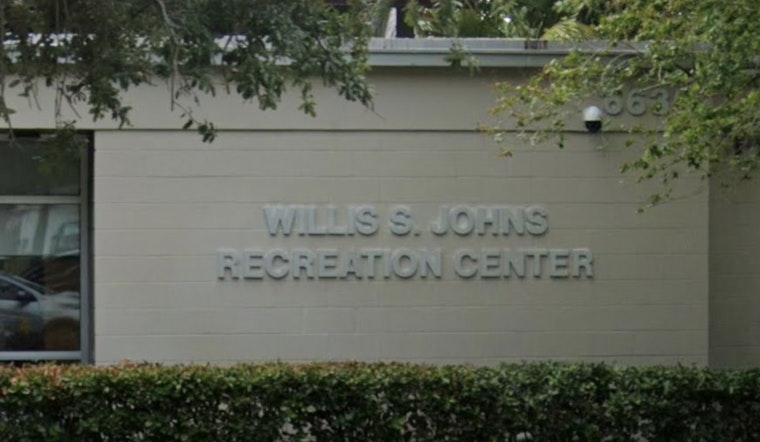
St. Petersburg residents, mark your calendars for April 29, as city officials are preparing to dive into the details of the San Martin Blvd Forcemain & Watermain Relocation Project. Aiming to bolster infrastructure resiliency and protect the local aqua-scapes, the city is extending an invitation to the Willis S. Johns Recreation Center at 6:30 p.m. for a public input meeting. This session offers a platform for community members to grasp the project's scope, pose their queries, and register their impressions.
The necessity of this undertaking stems from Pinellas County's plan to replace the aging San Martin Bridge, which presently hosts the city's utilities. The scheduled upgrade involves the introduction of a new 30-inch sanitary forcemain and a 16-inch water main, which will be installed via horizontal directional drilling below Riviera Bay. Efforts have been outlined to replace the existing bridge-clinging 24-inch sanitary forcemain and a 12-inch watermain, to improve upon the area's tolerance to storm surges and long-term dependability. Traffic flow is due for a temporary upheaval as the bridge will be confined to single-lane operation, managed by temporary lights intended to keep vehicles moving in both directions. Construction is expected to kick off come September 2025 and wrap up by March 2026, so commuters, prepare for a few detours on the horizon.
For those interested in attending, the Willis S. Johns Recreation Center is located at 6635 Dr. Martin Luther King St. N. It's a chance to stay informed and influence the course of local city planning. As the project plans to carve a path beneath Riviera Bay, the city aims to sidestep our cherished blue expanses, underscoring a commitment to minimal topside disturbance.
As reported on the City of St. Petersburg's official website, the project managers have stressed the importance of community engagement: "The City is installing a new 30-inch sanitary forcemain and new 16-inch water main underneath Riviera Bay using horizontal directional drill, a tunneling method commonly used to avoid water bodies and minimize impact above ground." With this gathering, the city is not merely extending a hand for a handshake but offering a seat at the table where decisions are made—a civic communion under the auspices of infrastructure and environmental stewardship.



