

























































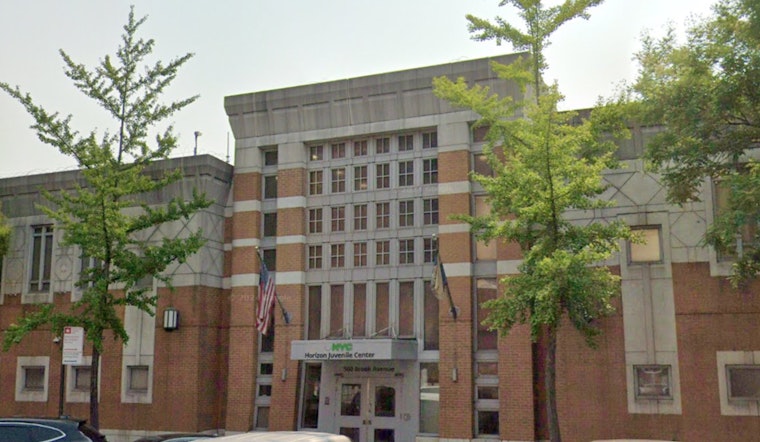
New York City's juvenile detention facilities are facing serious oversights, with a recent state audit revealing rampant contraband, under-reported violence, and abuse, as well as high levels of absenteeism among detainees—a sign of deeper systemic issues that have yet to be fully addressed. The audit, which was conducted by state Comptroller Thomas DiNapoli, underscores a worrying picture of the inner workings of the Juvenile Justice System, painting a troubling look at the conditions under which many young New Yorkers are being held.
According to the Gothamist's report on the audit, the influx of contraband such as razors, narcotics, and cellphones at the city's two juvenile detention centers—Horizon Juvenile Center in the Bronx and Crossroads Juvenile Center in Brooklyn—skyrocketed to 706 cases in 2023, up from just 62 cases in 2019. Meanwhile, the audit discovered that instances of sexual assault and abuse within these facilities often went unreported or were significantly delayed in their reporting to state authorities. DiNapoli emphasized the urgent need for improvement in these areas, stating, "To protect the youth and the staff, the agency should improve case management, address safety issues and ensure access to education, special education, and medical and mental health services so the youth are prepared to re-enter society and have hope for a better future."
In what appears to be an endemic issue, the state audit found that only just over half of the youths were screened within the first 24 hours of arrival at the detention centers; a requirement aimed at ensuring they receive necessary medical, mental health, or educational services. Chronic absenteeism from school programs was rampant among the detainees, with The City revealing absence percentages raging from 13% to 73% across different educational programs. The implications are dire; as the U.S. Department of Justice’s Office of Juvenile Justice indicates, regular attendance in educational programs decreases the likelihood of re-offending, thereby underscoring the critical link between education and successful reintegration into society.
An ACS spokesperson, Marisa Kaufman, told Gothamist that many of the comptroller's recommendations were already being implemented, but acknowledged that more work remains. She stated, "We will continue to incorporate best practices to continue our trajectory towards a consistently safe environment where young people can develop life skills to successfully navigate their futures." Despite these claims, the Legal Aid Society highlighted the gravity of the situation by disclosing that some of their clients are still forced to sleep in contexts ill-suited to living—classrooms, hallways, and even on the floor.
Further complicating the picture, the audit, as mentioned in The City, criticized ACS for its failure to ensure all eligible youths attend school, and for not reporting all serious incidents to the state’s Office of Children and Family Services—a legally mandated responsibility. It was observed that "37% of 9,693 of unique incidents were not reported to the state," an omission which ACS countered by stating it recorded the incidents in its own database. Yet the deficit in organizational rigor remains cause for concern, leaving many young people at a pronounced disadvantage upon their return to the community, a sentiment echoed by the Legal Aid statement: "Failing to even get these children to school deprives these children of the education they so desperately need and failing to even provide them with an assigned room or bed increases the chaotic and traumatic nature of their experience in detention."





