

























































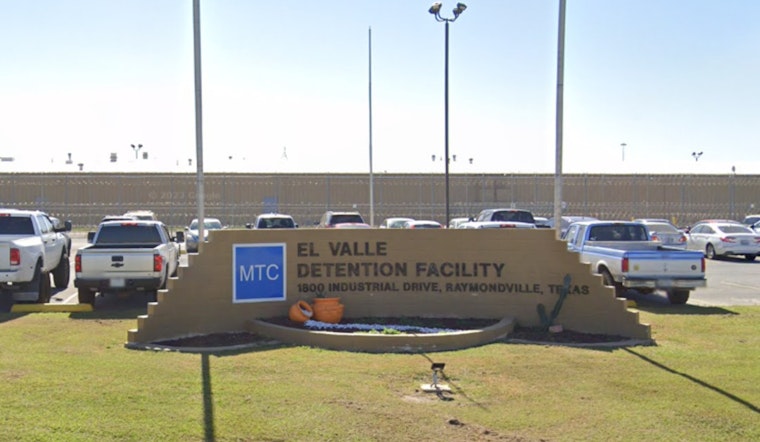
Just hours after the ACLU stepped into the legal ring, a federal court in Texas has put a stop, at least for the moment, to the deportation of Venezuelan detainees held at the El Valle Detention Center in Raymondville, based on the Alien Enemies Act (AEA) of 1798. The court's temporary restraining order (TRO) counters the government's recent attempt to leverage this archaic wartime law, originally intended for declared conflicts, against individuals not at war with the United States. The Click2Houston report underscores the immediacy of the court's response following the ACLU's emergency lawsuit filing.
In an equally charged turn of events, the Supreme Court's decision on Monday has seemingly opened the gates for Venezuela-related deportations to resume, albeit with an asterisk pointing to the right for judicial review. The Court's split reflects a divide, casting a spotlight on the judicial tug-of-war surrounding the Alien Enemies Act's application. Justice Sonia Sotomayor, in her dissent joined by Justices Elena Kagan and Ketanji Brown Jackson and partially by Barrett, accused the Trump administration of largely ignoring "its obligations to the rule of law." This quote, as CBS News relayed, captures the heightened tension.
The focus of the allegations is on the Tren de Aragua gang and the legal issues surrounding its members. The ACLU argues that these individuals, caught between government actions and the courts, face threats and violence if sent back to Venezuela. However, authorities claim ties to the gang as a reason for using the Alien Enemies Act to speed up their removal.
The point of contention, amid these stormy legal seas, hovers around the provision of meaningful notice and an opportunity to contest deportations. The ACLU has argued that this simply isn't happening, leaving detainees without a real shot at legal defense. As Homeland Security Secretary Kristi Noem sternly warned in a statement following the ruling, migrants in the U.S. unlawfully should "leave now or we will arrest you, lock you up and deport you." But for the Venezuelan detainees, according to a CBS News interview, ACLU lawyer Lee Gelernt views the Court's clarity on the requirement for notice as "a big victory."
The Supreme Court has set clearer rules for future cases, including notice and habeas relief opportunities, but the legal situation is still complicated. A hearing is scheduled for Friday, April 11, and the fate of detainees at El Valle Detention Center remains uncertain. The Supreme Court's ruling is part of a larger ongoing battle over President Trump's immigration policies, which have faced repeated challenges in court during his second term.





