

























































Texas schools, having weathered years of legal wrangling and pandemic-related disruptions, are on the brink of receiving their first set of accountability ratings in years. According to a report by KSAT, the grades for the 2022-2023 school year, which are slated for release to districts on April 17 and to the public on April 24, come after a decision by a 15th Court of Appeals judge.
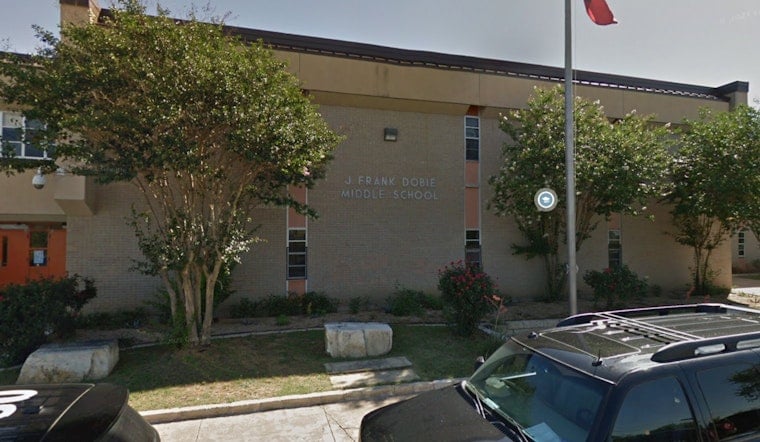
These scores are particularly consequential for Austin's Dobie Middle School, due to predictions that it may snag its fourth F rating. At risk of a state intervention, including possible closure or conversion into a charter school, the community is grappling with the implications. Heather Sheffield, a lobbyist cited by CBS Austin, has characterized the A-F accountability system as sometimes being used to "shame and blame" school districts, which has stirred up controversy.
This moment is more than a tally of grades—it is a reckoning with an educational system that some advocates feel fails to accommodate the diverse needs of students. "When you don't have resources to provide the programs and education for kids, then you have the outcomes that you don't want," Ken Zarifis, Education Austin President, told CBS Austin. Zarifis points to the rigidity of the accountability system as a critical flaw, one that does not fairly account for challenges like second language learners.
Ruben De Los Santos, associated with the local nonprofit Futuro San Antonio, acknowledges that the A-F rating is not perfect but underscores its utility in imparting a narrative about school performance. "But it's definitely not something that we should see as the only thing that I’m judging my school by. But it definitely helps tell a story about what’s going on in my children’s school and whether or not it’s working for my family or not," De Los Santos commented, as reported by KSAT. These sentiments echo the apprehensions of concerned parents like Dameka King, who argues against the idea of simply giving up on the students, prompting instead for a fight for their success.
The release of the grades, while a return to a semblance of normalcy, has become a flashpoint for a broader dialogue about the efficacy and fairness of performance-based evaluations within education. As schools like Dobie Middle School brace for these assessments' impact, the entire state watches, waiting to see what these letter grades will spell out for the future of its schooling system and the students within it.





