

























































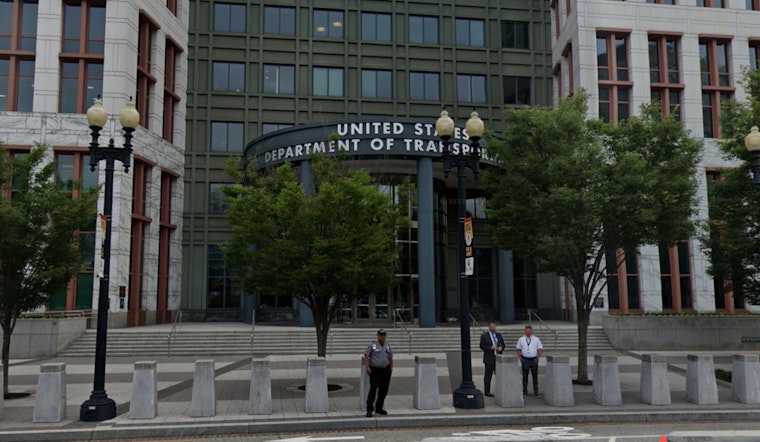
In a significant shift for transportation funding and fiscal responsibility, U.S. Transportation Secretary Sean P. Duffy declared the end of a multimillion-dollar grant for the once-vaunted Texas High-Speed Rail Project. The grant, which amounted to $63.9 million, has been pulled back from Amtrak, as the initiative previously known as the Texas Central Railway project, has exceeded its cost projections and now casts a shadow of financial overreach with an estimated price tag of over $40 billion. This cancellation aims to save taxpayers a substantial sum, as Duffy emphasized that the private sector should take the reins without federal support if the project is indeed viable.
According to a statement from the U.S. Department of Transportation, "The Texas Central Railway project was proposed as a private venture. If the private sector believes, this project is feasible, they should carry the pre-construction work forward, rather than relying on Amtrak and the American taxpayer to bail them out." These words resonate with an administration looking to tighten fiscal belts and ensure that government investments in infrastructure reflect sound economic decisions. The agreement between the Federal Railroad Administration (FRA) and Amtrak signifies a step back from a project that could have been a fiscal black hole for federal resources.
Initially hailed as an ambitious effort to bring high-speed rail to the Lone Star State, the project's dwindling fortunes have become symptomatic of an infrastructure challenge too hefty for public funds to shoulder alone. The high-speed railway, designed to connect Dallas and Houston in less than 90 minutes, has faced various setbacks, including land acquisition disputes and funding challenges, leading to the project's questionable future sans the federal grant.
Securing funding for infrastructural megaprojects like this has always been a tricky affair—a balancing act between public interest and financial viability. Duffy's announcement serves as a reminder that government partnership is not an infinite well of support. "I am pleased to announce that FRA and Amtrak are in agreement that underwriting this project is a waste of taxpayer funds and a distraction from Amtrak's core mission of improving its existing subpar services," Duffy elucidated on the U.S. Department of Transportation website, further underlining his department's commitment to the judicious use of federal dollars and the pursuit of efficiencies in transportation investment.
The decision has been met with mixed reactions, as proponents of high-speed rail in the United States continue to argue for its potential benefits, including reduced traffic congestion, environmental advantages, and economic development opportunities. However, with the grant's termination, the Texas project now stands at a crossroads, with its proponents tasked with the challenge of charting a financially sustainable path forward that does not involve reliance on federal dollars.





