

























































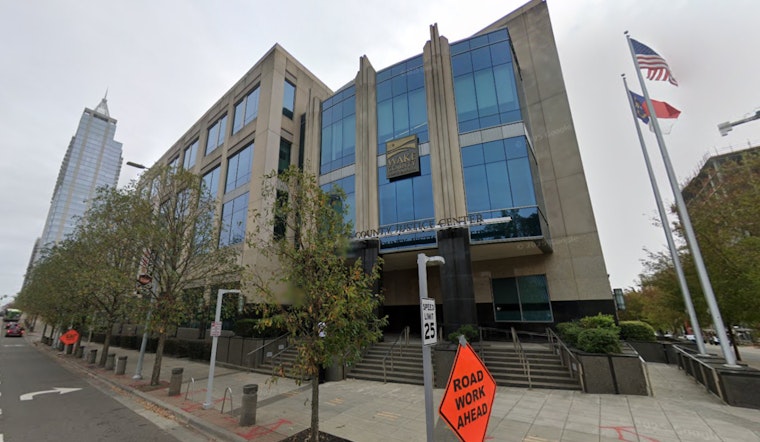
High-speed internet is finally coming to those in Wake County who've had to make do without—thanks to a dollop of state funding and a partnership that aims to bridge the connectivity chasm. According to an announcement by Wake County officials, the Completing Access to Broadband program, administered by the North Carolina Department of Information Technology (NCDIT), is allotting nearly a million dollars to bring high-speed internet to 125 households and 19 businesses previously left in the digital dark.
Wake County Commissioner Shinica Thomas stated the importance of this development, saying "This is a priority for our Commission, because we know it’s essential for education, business, healthcare and staying connected in today’s world," emphasizing the role of high-speed internet in education, commerce, and healthcare, thus iterating the essential need of connectivity in current times. The initiative is part of a larger push by the county to rightfully recognize internet access as a crucial utility akin to water or electricity; this project streams in a portion of the funds from the federal American Rescue Plan, totaling $691,168.80, while Brightspeed, the selected internet provider, is chipping in $296,215, which falls under a 70/30 matching program.
NCDIT's investment and Brightspeed's contribution signal more than just wires and signals—these funds are the sinews and neurons forming a more interconnected Wake County, a place where 11.5% of the 1,251 eligible unserved locations will now have opportunities to engage with the digital world in ways many of us take for granted. And this is but a piece of a larger puzzle; over $18 million is pouring into Wake's broadband initiatives, aiming to digitally empower more than 4,300 needy locations.
Last year, Wake County laid out its first Digital Equity Plan, a signal flare for the region's intentions created with ample public feedback and shaped to reflect the needs and obstacles faced by its residents, this document set the stage for the current endeavors—it captured the landscape of digital inclusion, or the troubling lack thereof in certain areas. Despite the seemingly positive strides, the road ahead is long, with miles of fiber-optic cable to lay and countless more households and businesses yearning for the chance to click, scroll, and tap into the boundless realm of the internet.




