

























































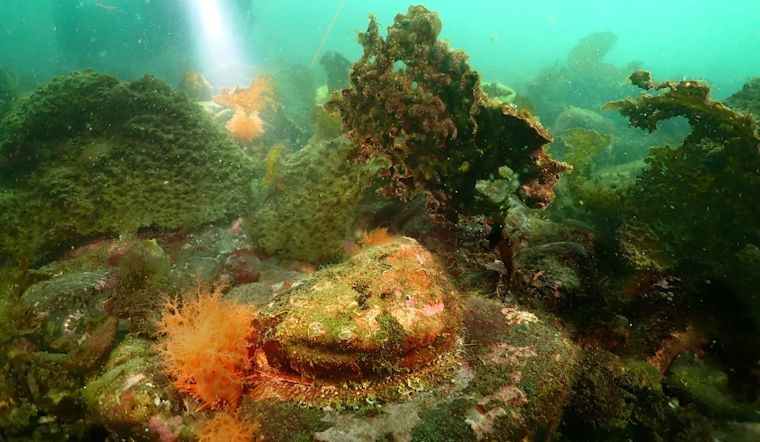
The Washington Department of Fish and Wildlife (WDFW) recently called for public commentary on whether to keep the pinto abalone classified as an endangered species. The public has until June 1 to weigh in on the matter. The species has been struggling, with the WDFW's lead abalone biologist, Katie Sowul, stating, "While pinto abalone recovery efforts are progressing well, the species’ population trend over the past 10 years is not increasing and key criteria for downlisting to threatened have not been met," according to an article on WDFW's website.
Those who want to get directly involved can readily do so by reviewing the draft periodic status review for the pinto abalone on the WDFW's website. Comments can be submitted either via email or mail to the provided addresses. This feedback is bound to critically shape the Washington Fish and Wildlife Commission's decision, which they are tentatively set to consider this June.
Despite these sobering circumstances, it is not all doom and gloom for the pinto abalone. There's been a more positive shift in their outlook than five years ago. In a collaborative effort led by WDFW and Puget Sound Restoration Fund, more than 12,000 captive-raised juvenile abalone were released into their natural habitats last year. In addition, signs of natural reproduction have been noted for the first time in over a decade. This uptick in sightings of wild juveniles gives a glimmer of hope for the species' potential recovery.
The pinto abalone (Haliotis kamtschatkana), the only species of abalone found in the Salish Sea and regions extending to British Columbia and Alaska, was added to Washington’s endangered species list in 2019, a move that has led to increased conservation efforts. The abalone recovery partnership, comprising a diverse group of stakeholders, has been instrumental in these efforts and continues to receive legislative backing. To keep the momentum going, the WDFW analyzes and reviews data to accurately inform status and classification recommendations for at-risk species in Washington.
Finally, the WDFW's work spans beyond just managing animal populations; they are entrusted with preserving and protecting the whole ecosystem while ensuring sustainable fish and wildlife opportunities. For those requiring information in alternative formats, WDFW has made accommodations accessible, promoting inclusivity in engaging with the state's wildlife issues.





