

























































As the calendar turns to the beginning of June, the Louisiana Department of Wildlife and Fisheries (LDWF) prepares to roll out the 2025-26 Louisiana Waterfowl Conservation Stamp on June 1. Yet, aficionados and conservationists might have to exercise a bit of patience this year. According to the LDWF, due to supply chain hiccups, those seeking to purchase the so-called Duck Stamp should anticipate delays in receiving their physical stamps, even though purchasing will be available online from the get-go. "Customers will still be able to purchase the new stamp online and will receive a notification upon purchasing that there will be a delay in the delivery time," as stated on the LDWF's website.
The stamps are a collector's item and do not double as a hunting license, but they pack a punch for conservation efforts. The LDWF ensures they are accessible to everyone, residents and non-residents alike, who can snag one either directly online, from local vendors, at the LDWF HQ in Baton Rouge, or simply through the mail. While the stamp prices now stand at $5.50 for residents and $25 for non-residents, impending legislation might soon streamline the costs and give the commission the power to determine the price annually.
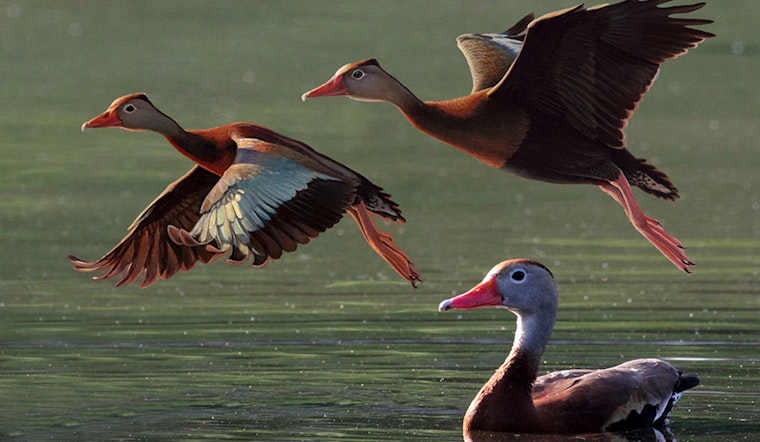
This season's esteemed stamp was designed by none other than John Nelson Harris of Groveland, Florida. Harris, a seasoned victor, has now clinched the honor thrice, with earlier triumphs in 2016 and 2021. The LDWF spotlights the black-bellied whistling duck this year. Harris' artwork depicts a serene scene where three of these ducks grace a waterbody, with two soaring into flight while a third rests upon the water's calm surface. His design garnered the spotlight after a comprehensive contest.
The Duck Stamp program commenced in 1988, striving since its inception to secure funds dedicated to enhancing and preserving Louisiana's wetlands. The generated revenue from the stamp sales not only supports habitats for ducks and geese but also amplifies wetland biodiversity and enriches recreational offerings for hunters, bird watchers, and tourists alike. Indeed, as said by the LDWF, the projects these funds have facilitated over the years have, and continue to, benefit not only ducks and geese but countless additional wetland birds and other wildlife, in addition to providing and enhancing recreational pursuits of hunters, bird watchers, tourists, and any other citizens that appreciate wetlands, wetland wildlife, and the ecological services they offer.
Collectors interested in supporting this important work will find the means to do so come June 1, through the various channels outlined by the LDWF and further documented on their official website.





