

























































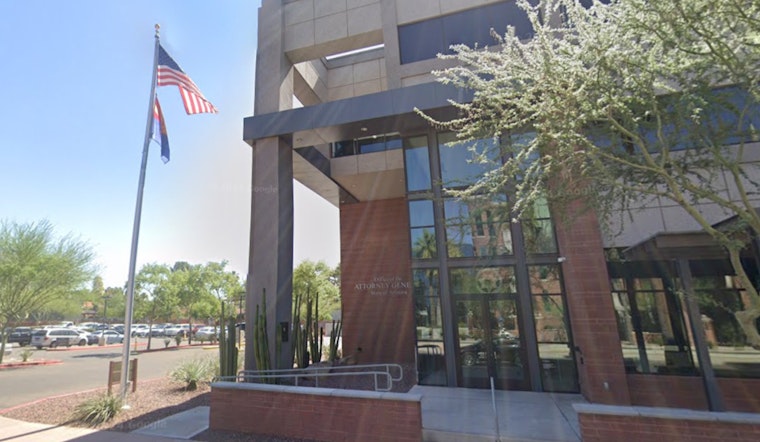
Arizona's Attorney General Mayes has made headlines by securing a Consent Decree that addresses allegations of housing discrimination by Shirley Ann Enterprises, LLC. This resolution caps a lawsuit which accused the entity of violating state fair housing laws, specifically by denying a lease renewal due to a tenant's need for an assistance animal, which stemmed from a disability. The settlement terms include a set of reforms aimed at preventing future discriminatory practices, according to an announcement from Mayes' office.
The Arizona Fair Housing Act (AFHA) serves as a barrier against disability discrimination in housing-related transactions. It also guards against coercion or interference with anyone attempting to exercise their rights under fair housing statutes. The suit against Shirley Ann alleged, the company infringed on these provisions. "The journey toward fair housing for all is far from over," Mayes stated, as reported by the official Attorney General's website. The office promises ongoing commitment to safeguarding these rights.
Under the Consent Decree, Shirley Ann Enterprises agrees to establish anti-discrimination policies that preclude any discriminatory behavior, in addition to setting procedures for the fair handling of accommodation requests related to disabilities. Another crucial aspect of the settlement involves the training of the company's staff on both state and federal fair housing legislations. This oversight will extend to three years of monitoring by the Civil Rights Division, to assure adherence to the agreed reforms. Moreover, the settlement includes a compensation amount of $35,000 to be paid to the aggrieved parties for their distress. Assistant Attorneys General Julie Blumenreich and Maura Hilser led the legal process, with Taylor Tschantz spearheading the initial investigation.
The Civil Rights Division of the Arizona Attorney General's Office plays a key role in enforcing civil rights laws. More so, it promotes public awareness, provides dispute resolution services, and extends community services statewide. Victims of unjust discrimination in housing, employment, public accommodations, or voting rights have recourse.



