

























































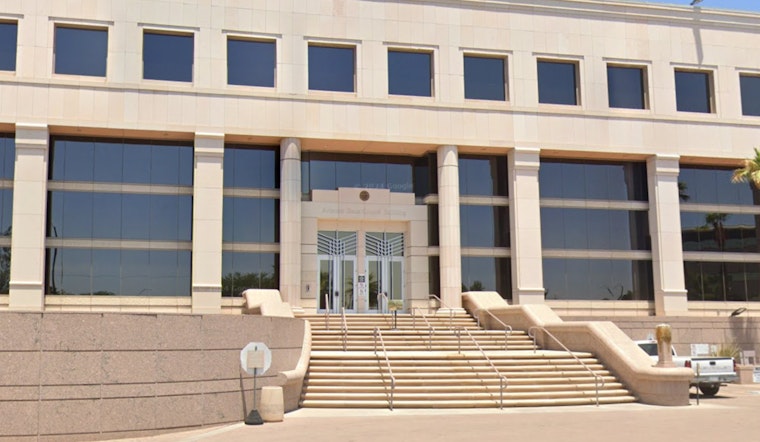
In a significant ruling that touches on the responsibilities of state regulatory agencies, the Arizona Supreme Court affirmed the dismissal of a lawsuit against the Arizona Department of Liquor Licenses and Control, as reported by the Arizona Supreme Court. The lawsuit stemmed from a tragic car accident involving two adults and their minor children and an individual who had been served alcohol at Billy Jack's Saloon and Grill, a bar licensed by the Department.
Plaintiffs in the case, identified in court documents as Sanchez-Ravuelta, et al., had argued that the Department was negligent in its oversight, claiming it failed to prevent hazardous conditions due to alcohol overconsumption at the establishment. To bolster their argument, they pointed to the Department renewing the liquor license of Billy Jack's despite a history of infractions and accused the Department of not investigating the bar's practices. However, the Court found the Department not liable, as the statutes in question provided discretionary power rather than mandates for action.
Writing for the unanimous decision, Justice Kathryn H. King clarified the legal standpoint. "The statutes the plaintiffs relied upon gave the Department discretionary authority because they used permissive terms—i.e., stating that the Department “may” take action in certain instances," she stated, as noted by the Arizona Supreme Court. King added that the regulations primarily govern liquor license holders, not the state agency itself.
In addition to the main decision, the Supreme Court addressed jurisdictional issues, confirming a trial court's jurisdiction regarding a motion for a new trial filed by the plaintiffs, and acknowledged that the Town of Dewey-Humboldt's notice of cross-appeal was indeed timely. This ensured that the lower court will now consider that cross-appeal, potentially opening another chapter in this legal saga.



