

























































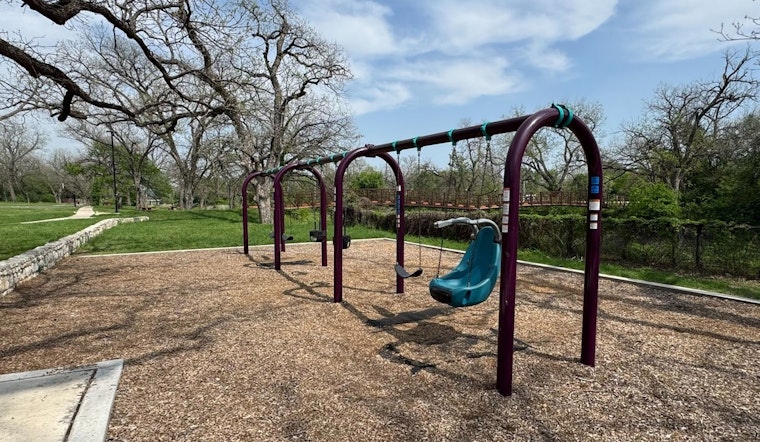
Following a coordinated effort by city officials and multiple departments, the City of Austin has carried out the closure of homeless encampments in the Colorado River Wildlife Sanctuary and Govalle Neighborhood Park, according to an official announcement. The Austin Homeless Strategy Office (HSO) took the lead on this initiative, with the intent of addressing safety and environmental concerns while simultaneously providing support to the unhoused population impacted by the move.
A total of 51 individuals living in the encampments were voluntarily relocated to the Northbridge and Southbridge shelters, facilities that are part of the city's effort to assist those experiencing homelessness. David Gray, Homeless Strategy Officer, highlighted the necessity of the action by stating, "We prioritized these locations because of the encampment’s growth within the floodplain, especially during flood season, posed a risk to both the sanctuary’s wildlife, public space access, and the individuals at the encampment," this statement was obtained by austin texas.gov.
The concerns regarding the environment are significant as the Colorado River Park Wildlife Sanctuary is home to a diverse array of species and is ecologically sensitive. The presence of encampments within such areas can impede the activities of wildlife and pose issues during flooding events. Meanwhile, Govalle Neighborhood Park, boasting newly renovated recreational amenities, is a valued public space meant to be safely accessible to all community members. The cleanup initiative saw the removal of 183.87 tons of litter and debris from the sanctuary and 10.1 tons from the park.
The Austin HSO conducted the closures and relocations smoothly by collaborating with several city departments, including the Austin Parks and Recreation Department, the Austin Watershed Protection Department, and the Austin Resource Recovery Department, among others. Outlined in its mission, the HEAL Initiative has been instrumental in aiding 1,075 people in their transition from homelessness by providing shelter and comprehensive services. The services include meals, laundry facilities, pet-friendly accommodations, and support for access to income and employment, as detailed on the City of Austin's website.
Reinforcing the city's ethos of support for both its residents and the environment, the shelters follow three guiding principles of partnership, animal care, and dignity through privacy. These principles emphasize an ongoing commitment to creating a caring pathway out of homelessness, an assurance of safety not just for society at large but also for the most vulnerable among us. The goal, always, is to foster a future where the sight of tents sprawled along riverbeds or tucked beneath the oaks in city parks is a vestige, not a staple of the urban tableau.





