

























































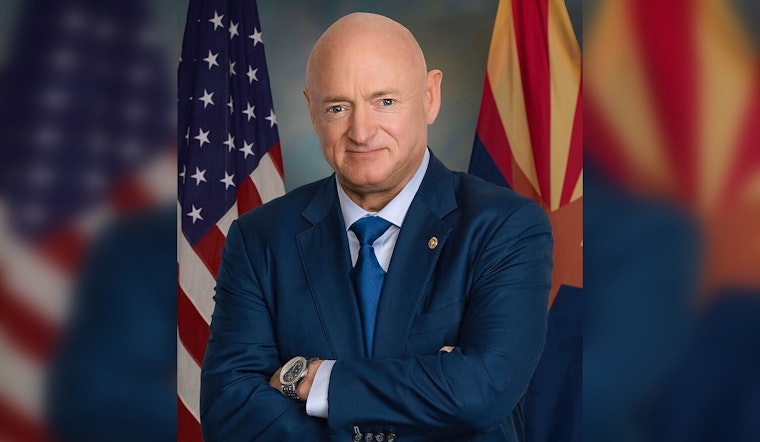
In a bipartisan push to revamp the West's water works, Senators Mark Kelly of Arizona and John Curtis of Utah have introduced the "Restoring WIFIA Eligibility Act," which sails to untangle the knots of federal funding for water quality and storage projects across the arid Western United States, alongside companion legislation steered through the House by Representatives Jim Costa and Dan Newhouse, according to a press release from Senator Kelly’s Office.
"Our bipartisan bill will cut red tape to give more projects access to federal funding, which will help modernize our water infrastructure and address critical water challenges facing communities in Arizona and the West," Kelly heralded, signaling the dire need to quench the infrastructure thirst of a growing region, as mentioned in the same press release. Curtis chimed in with insights from Utah's water conservancy districts, underlining the strain of Utah's booming populace on water resources and the legislation's role in alleviating that through investments in fundamental infrastructure undertakings.
From California’s standpoint, Jim Costa highlighted the climatic challenges and the urgent need to strengthen water infrastructure against the backdrop of intensifying drought and extreme weather, proclaiming, “Water is the lifeblood of the West,” underscoring the importance of investment. This sentiment was echoed by Dan Newhouse in his advocacy for sustaining long-term water projects vital for communities, farmers, and ranchers in Washington’s rural heartlands, as stated on Senator Kelly’s website.
The driving force behind this new legislative initiative traces back to the Water Infrastructure Finance and Innovation Act (WIFIA) of 2014, designed to provide borrowers with credit for wastewater, drinking water, and stormwater projects under favorable terms like low interest rates and flexible repayments. However, the program’s impact has been limited for mixed-funded projects due to budgetary misclassifications, unintentionally excluding them from WIFIA loans reserved for non-federal borrowers. The new bill seeks to correct this issue by ensuring these projects have fair access to federal funds.
Encapsulating the best of both worlds, the proposed amendments hinge on sorting out the budgetary treatment for hybrid-funded projects and granting eligibility to any non-federal entity relying on non-federal revenue sources to repay—a move poised to unleash a cascade of essential water infrastructure projects across the West. This initiative could potentially elevate the region’s capacity to handle its water challenges by optimizing the scale and scope of project implementations, benefiting local economies and residents alike. The full text of the bill is accessible through the link provided on Kelly’s webpage.



