

























































Researchers at Oak Ridge National Laboratory and the University of Colorado Boulder have found a way to finesse the stress responses of photosynthetic bacteria, opening new doors for biotechnological applications. By using gene-silencing tools on a scale not previously attempted, they discovered that slightly damping down certain genes can have a substantial impact on modifying microbes to better withstand environmental changes.
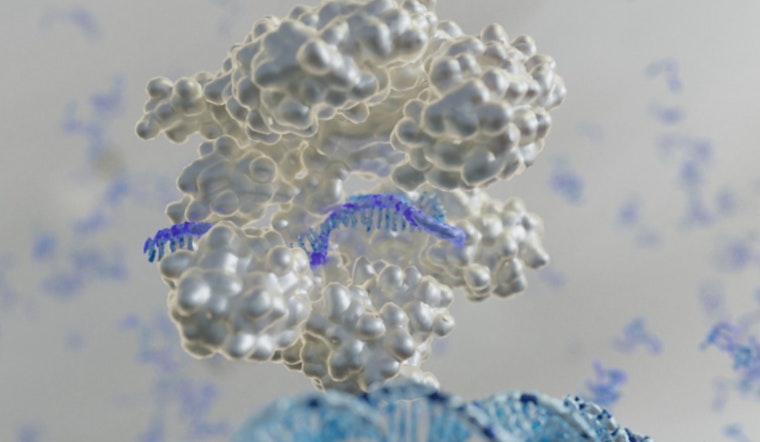
According to a report from Oak Ridge National Laboratory, the team employed the use of CRISPR interference, a technique that allows for selective and temporary gene suppression, rather than the complete gene knockout achieved with traditional CRISPR-Cas9 genome editing. Researchers used a hefty array of nearly 33,000 guide RNAs targeting every gene in the cyanobacteria's genome — far exceeding the usually applied five or fewer molecules.
Carrie Eckert from ORNL emphasized the method's potential, saying, "This powerful technique delivers a faster, more comprehensive way to influence microbial traits for biotechnology." She highlighted its ability to give researchers more detailed information about gene functions, as well as speeding along the process of adapting microbes for the production of fuels, chemicals, and materials.
The implications of this research are significant, as it could streamline the process of engineering microbes that are used in the creation of biofuels and various bioproducts. The exacted approach of CRISPR interference guides the efforts to optimize strains that have already shown promise in industrial contexts. For instance, with the new technique, optimization that usually takes years could potentially be achieved in a significantly shorter time frame. The results not only inform scientific understanding but also offer tangible benefits in the realms of sustainable energy and material production.





