

























































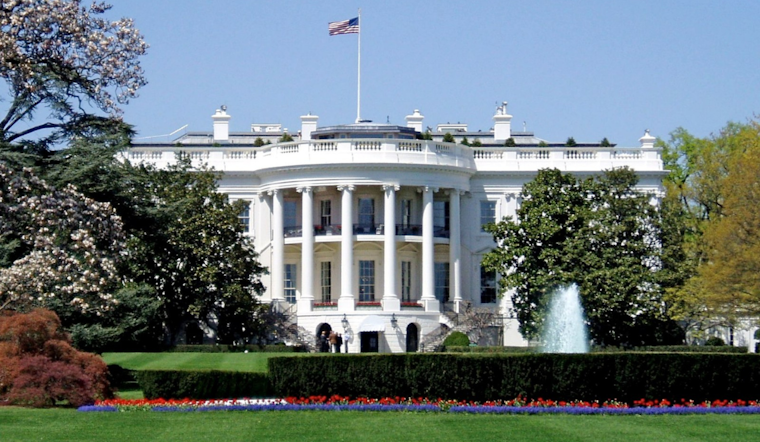
Today marks the 64th anniversary of a pivotal moment in American history, as we celebrate National Astronaut Day. On this day in 1961, Commander Alan B. Shepard managed to turn a dangerous mission into a triumph for the U.S., launching aboard the Mercury rocket and etching his name in the annals of space exploration as the first American to travel beyond the Earth's atmosphere, according to The White House.
In that message, the President reflects on the legacy of Shepard's mission, known as Freedom 7, which not only honored the nation's foundation on the principle of freedom but also set a standard for courage and determination that has carried through subsequent American space initiatives. It's this same resolve that the nation witnessed last month, when President gave the greenlight for a daring rescue operation of stranded astronauts Butch Wilmore and Suni Williams from the International Space Station. After their 8-day mission turned into nearly a year in space due to unexpected complications, adjustments by America's space programs were swift, ensuring their safe return.
The significance of National Astronaut Day stretches beyond mere commemoration. It is a call to continue pushing the barriers of what is possible. The White House message reaffirmed this commitment, declaring under their administration, America will carry on the legacy of exploration with "bold plans for lunar missions, Mars exploration, and beyond." This includes strengthening partnerships with private space companies, which is crucial in pursuing technological advances and endeavors into the vast unknown.




