

























































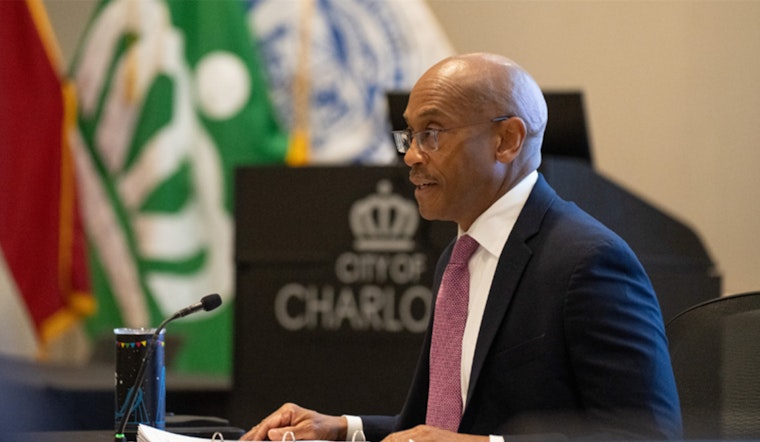
City Manager Marcus D. Jones unveiled the proposed budget for Charlotte's fiscal year 2026, an announcement well-received by those weary of tax hikes. The budget, featuring a hefty $3.65 billion price tag, is notable for maintaining the property tax rate steady, despite the expanding financial demands of the city. As reported, Jones emphasized the budget's balanced nature and its focus on preserving core services without undermining the city's financial stability.
The budget notably earmarks funds towards youth empowerment through the new Office of Youth Opportunities, aimed at nurturing economic prospects and personal growth for individuals aged 13-24. According to the details provided, this decision tracks with the city's ongoing commitment to affordable service costs, maintaining Charlotte's status as the North Carolina city with the lowest tax rate for fiscal year 2025. Furthermore, $25.6 million is set aside to ensure fire response times remain within target limits, including investments in the construction and expansion of firehouses, as well as a new training facility for Charlotte's firefighters.
An increase in funding for public safety is also on the cards, as $2 million has been allocated for the expansion of the 911 call center, along with the Police and Fire Training Academy. The planned total of $9 million for these projects underlines a serious approach towards public safety infrastructure. Additionally, animal lovers in Charlotte can look forward to a new satellite Animal Care and Control adoption facility, with $30 million dedicated over the next four years for its fruition.
Charlotte's solid waste services are also facing a revamp, with a four-year strategy aimed at improving cost recovery. The budget proposes dividing the Solid Waste fee into two categories — residential curbside and dumpster — and introducing modest incremental fee increases. In the arena of business support, nearly $2 million has been designated to bolster minority, women-owned, and small businesses, a move sure to resonate with city entrepreneurs. This includes the Small Business Readiness fund, focused on building capacity in sectors linked to mobility investments. The proposed $943.5 million for the general fund marks a 5.2% increase from the previous year, speaking to the city's financial health and future-facing initiatives.





