

























































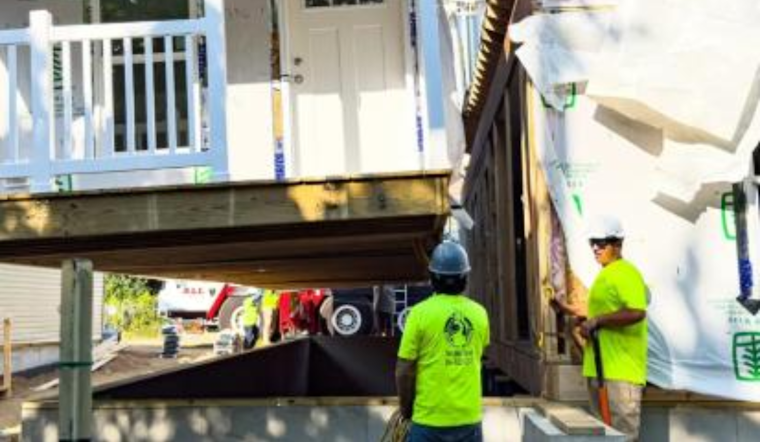
To confront its affordable housing challenge head-on, the City of Cleveland is turning a new page by tapping into the potential of modular construction. This approach, where homes are pieced together from prefabricated parts, could offer a quicker and more budget-friendly path to housing development. As detailed on the city's official news release, this fall will see a pilot rollout of the technology with six homes in the Clark-Fulton and Buckeye neighborhoods, acting as test beds for a potentially city-wide expansion.
A report from the National Housing Crisis Task Force highlights modular housing as a means to reduce residential construction costs by up to 30 percent and potentially halve the time required to build. In December 2024, Cleveland issued a request for proposals (RFP) to modular home producers both domestically and internationally to establish a facility in their backyard. Mayor Justin M. Bibb expressed a personal stake in the project, saying, “Every Clevelander deserves access to safe, affordable housing—and we're not going to let a tough development environment slow us down,” as reported by the city's announcement.
The coming homes will serve more than as a mere shelter. They will provide evaluating grounds for city officials to select the best fit between modular and panelized constructions for Cleveland's housing market. This collaborative project, which pairs the City with Greater Cleveland Habitat for Humanity, aims to determine the most suitable methods for the locale. “The response from residents has been very positive. People are excited not just about the new homes, but about being part of the process,” Councilwoman Jasmin Santana, who has been pivotal in involving the community, told the city's news channel.
By the end of 2025, a selection is anticipated for the modular or panelized home manufacturer to take this housing model to the next level, with production set to scale up in early 2026. Beyond addressing immediate housing shortages, this venture could spur economic growth by utilizing the numerous vacant residential lots scattered throughout Cleveland and creating manufacturing jobs in the process.





