

























































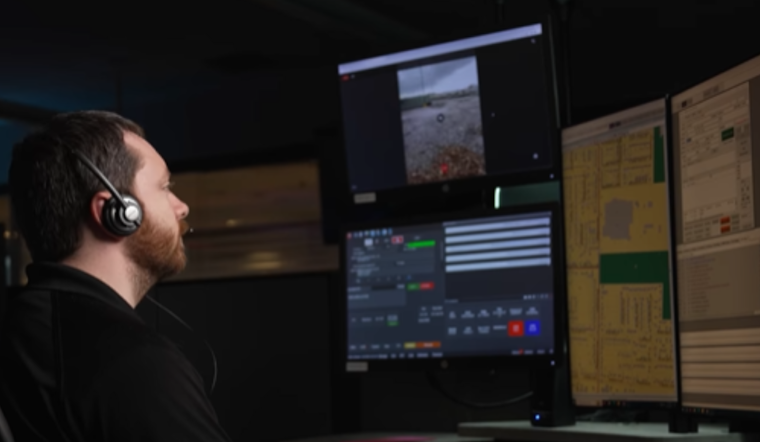
In a stride toward modernizing emergency response, the City of Columbus has recently upgraded its 911 systems to integrate video calling capabilities. This new feature is voluntary and can be activated only with the caller's explicit consent. By tapping into the camera on the caller's smartphone, emergency dispatchers can now get a live view of the situations unfolding, which can be critical in assessing and addressing crises. The Columbus Division of Police announced this enhancement on social media, highlighting the potential for improved community safety and first-responder effectiveness.
According to the Columbus Division of Police Facebook post, "With the caller's consent, this feature allows dispatchers to connect to the camera on callers' phones to gain a live view of the emergency." Columbus officials expect that this live visual insight will furnish responders with better information, leading to more tailored and efficient reactions. Concerns about privacy and security have been taken into consideration, as the system requires explicit permission from those in distress to initiate video streaming.
As the technology rolls out, questions on its practical application and the training required for dispatchers to use this tool effectively are rising. Authorities assure the public that call takers and dispatchers are being trained to handle video calls, which are expected to aid in everything from identifying suspects to helping with medical emergencies before paramedics arrive. The conversation around this advancement also naturally gravitates to the topics of data protection and the risks of potential overreach.





