

























































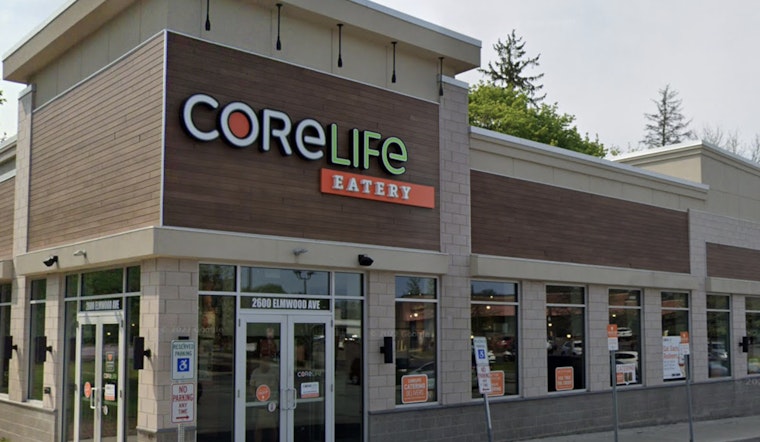
CoreLife Eatery, a restaurant chain with a significant presence in states such as New York and Pennsylvania, has agreed to a $7.8 million settlement after falsely claiming eligibility for pandemic relief. The accusation: misrepresenting their size to secure funds from the Restaurant Revitalization Fund (RRF), which was intended to assist smaller businesses severely impacted by the COVID-19 pandemic. U.S. Attorney John A. Sarcone III condemned the chain, stating that they diverted resources meant for businesses in urgent need and "eroded public trust in critical relief efforts," in a statement obtained by the U.S. Attorney's Office.
Established under the American Rescue Plan Act, the Restaurant Revitalization Fund (RRF) was a $28.6 billion federal program designed to support businesses significantly affected by the pandemic. CoreLife Eatery, which owned and operated 29 restaurants, exceeded the eligibility threshold of 20 locations as of March 13, 2020, making the company ineligible for the grant. However, in May 2021, the chain’s managing member submitted an application falsely indicating that they did not own more than 20 locations. This misrepresentation was made despite the RRF application clearly outlining the eligibility criteria, which disqualified businesses of CoreLife’s size.
Ultimately, CoreLife acknowledged that it operated 29 locations, a number that disqualified it from receiving funds through the Restaurant Revitalization Fund. The case was brought to light by a whistleblower who filed a qui tam complaint and received $1.17 million as part of the settlement. This amount highlights the seriousness of misrepresenting eligibility for federal funding. In an official statement, Amaleka McCall-Brathwaite of the SBA's Office of Inspector General emphasized that individuals or entities misusing taxpayer funds will be identified and held accountable.
The coordinated efforts of the U.S. Attorney’s Office for the Northern District of New York, the SBA Office of Inspector General, and the SBA Office of General Counsel were central in addressing the false claim. The details were outlined by Assistant United States Attorneys Adam J. Katz and Christopher R. Moran, along with Department of Justice Trial Attorney Samuel Robins, who were instrumental in resolving the case against CoreLife Eatery.





