

























































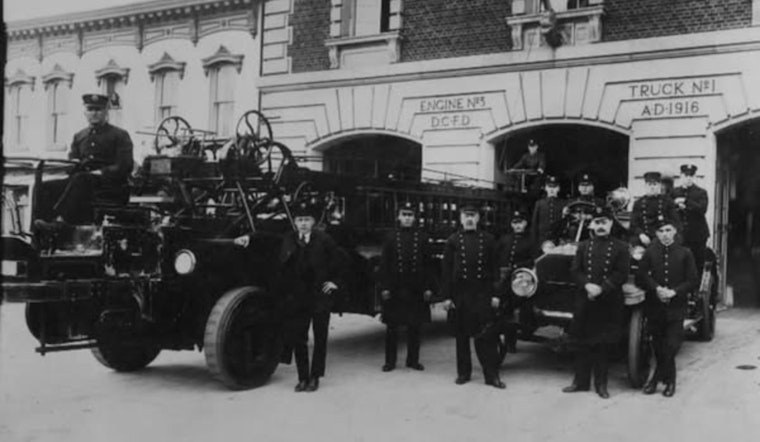
Turning back the pages of history, we find a pivotal moment for the District of Columbia Fire Department (D.C.F.D.), which steel-horsed its way into modernity 111 years ago. On May 24 and 25, 1914, as reported by DC Fire And EMS on social media, the D.C.F.D. made a significant leap in firefighting technology by bolting Christie Front Wheel Drive Tractors onto its horse-drawn aerial ladders and steamers, thereby converting them into motorized units.
These motorized apparatuses were the Tesla of their day—a radical departure from the traditional and admittedly charming, but not as efficient, horse-drawn wagons that had roamed the capital's streets. A total of 11 engine companies and six truck companies were transformed, effectively propelling the D.C.F.D. into a new era of fire response capabilities. It marked an intersection of innovation and necessity, a tangible recognition that the survival of a city lay not solely in the strength of its people but in the adaptability of its institutions.
Why does this matter to us now, over a century later? The conversion from equine power to engine power is emblematic of a broader narrative, one wherein the District's infrastructure and services have continually evolved to meet the demands of a growing, changing environment. In this particular instance, it wasn't just about speed or power; it was about firemen being able to push through with greater force, saving more lives, protecting more homes, serving the community with an efficiency that could only be dreamed of in eras past.
The history of the D.C.F.D is a tapestry, each thread a story of progress, each stitch a commitment to public safety. Looking back at these milestones not only fosters an appreciation of the past but also provides a lens through which we can view today's advances. Perhaps there's a comfort to be found in knowing that even as we confront the technological frontiers of our own time, we do so standing on the shoulders of those who courageously embraced the future with the turn of a wrench over a century ago.





