

























































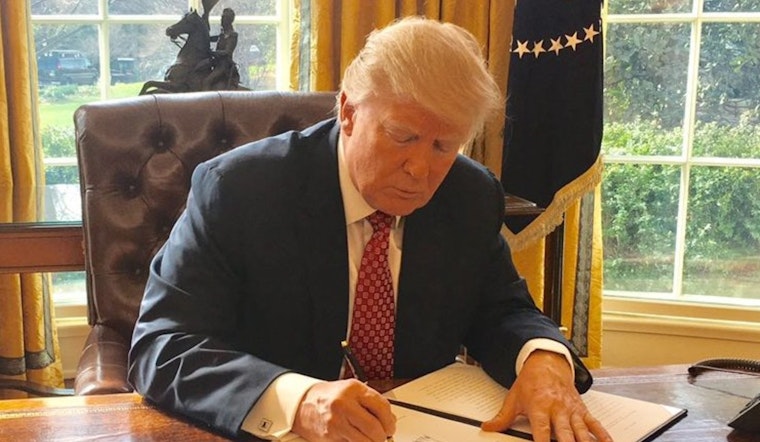
In the tumultuous landscape of international affairs, President Donald Trump has put forth a boisterous claim: the promise of peace in the war-torn regions of Ukraine within a mere "24 hours." It's an assertion that, if proven feasible, could not only shape the geopolitical climate but precipitate a new era of diplomatic engagements. Trump, who resumed his presidential role in January after the 2024 elections, swiftly appointed envoys and initiated conversations with global leaders while still President-elect.
The most recent chapter in Trump's diplomatic endeavors witnessed him engaging with Russian President Vladimir Putin and convening twice with Ukrainian President Volodymyr Zelenskyy. His voice has not been confined to high-level meetings, as he frequently airs his perspectives on the conflict for the public ear. Yet, peace, that ever elusive specter, hangs in the balance while the world watches and waits.
Offering a scholarly perspective, Andrew Busch, professor and associate director of the Institute of American Civics, dissected the former president's mediation efforts. In an article published by The University of Tennessee, which is part of The Conversation group, Busch compares Trump's approaches to peace-making with those of past presidents such as Teddy Roosevelt, Jimmy Carter, and Bill Clinton. One must consider whether Trump's first-term experience in office has informed his current strategies or if he has turned a blind eye to the lessons of history.
The ongoing conversations and the potential for peace remain at the forefront of current events, but remain just that—potential. As Trump's proposed timeline for peace has come and passed, the international community remains locked in a vigilant gaze, seeking any signs of the conflict's de-escalation. Critics and supporters alike are left to ponder the weight of a promise and the realities of diplomatic negotiation that stretch far beyond a single utterance or grandiose pledge.





.jpg)