

























































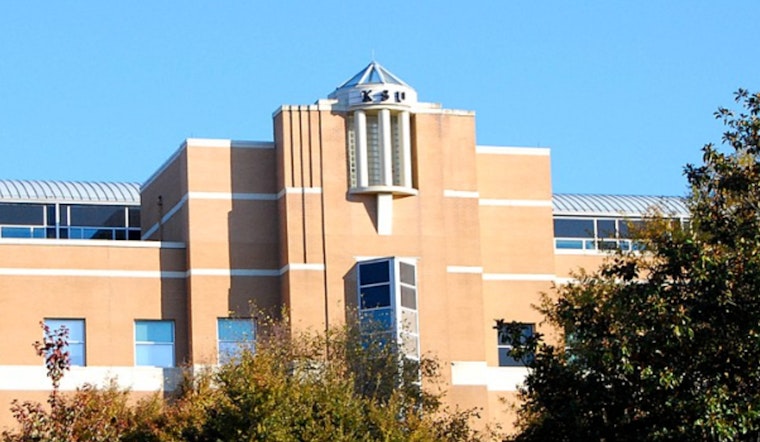
Innovative strides are being taken at Kennesaw State University, where researchers have made headway with a new AI-powered robot designed to battle the persistent issue of crop pests. As per a report by FOX5 Atlanta, the robot—birthed from the mind of Assistant Professor Taeyeong Choi—is programmed to patronize strawberry fields at night, wielding night vision technology to detect and promptly remove unwanted visitors such as snails and slugs.
Working in collaboration with local farmers and the KSU Field Station, Choi's team compiled an extensive image database to train the algorithm—enabling the robot to identify a variety of pests in different poses and environmental conditions. Efforts to eschew the harmful impacts of chemical pesticides, this technology ushers a sustainable, more environmentally sound approach toward maintaining crop health. The robot, called MocoBot by the researchers, is highlighted by WSB Radio, to function autonomously, allowing farmers to rest while it diligently plays guardian against pest destruction.
“It’s going to be able to perform pest management at night completely in the dark,” Taeyeong Choi elucidated in a statement obtained by WSB Radio. The introduction of such technology speaks to a growing need for innovative solutions in agriculture—solutions that do not just substitute manual labor, but also pave the way toward practices that foster ecological balance.
Given the staggering statistics on crop loss from the National Institute of Food and Agriculture—citing up to 40% of global crop production is forfeited annually due to pests—this advancement promises not just an eco-friendly pest control strategy but also an economical boon for farmers. With an anticipated cost below $5,000, farmers across various economic spectrums may soon welcome a robot companion into their ranks—a silent, nocturnal sentinel that tends to fields without the need for human guidance or harmful chemical interventions.





