

























































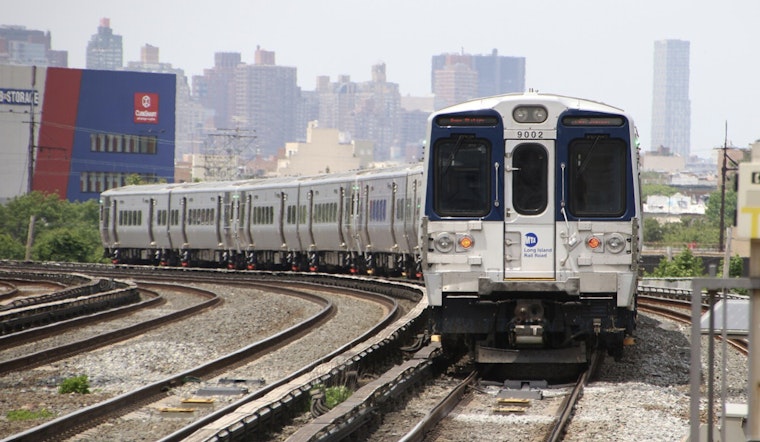
Commuters using the Long Island Rail Road (LIRR) faced unexpected delays and diverted routes today due to Amtrak power problems near the East River Tunnel. According to CBS News New York, the interruptions were a result of overnight work that failed to complete by the morning rush, causing disruptions for travelers heading into Penn Station.
The failed repair work highlights the vulnerability of a system struggling to keep up with demand while infrastructure improvements remain behind schedule. An Amtrak spokesperson emphasized the incident's highlight of the risks associated with their "nights and weekends approach" to such projects and argued for a full shutdown of the East River Tunnel tubes as a more effective method, as per reports by CBS News New York. This full closure, deemed necessary for extensive repairs stemming from Superstorm Sandy damage, has been proposed to last 18 months for each tube, potentially impacting up to 125,000 daily commuters across 461 trains.
New York Gov. Kathy Hochul and the Metropolitan Transportation Authority (MTA) are urging Amtrak to evaluate alternative plans that could mitigate widespread commuter disruption. Proposals from state officials include extended weekend closures, overnight work, and seasonal adjustments for the summertime drop in ridership. In response, Amtrak has remained steadfast, with their president, Roger Harris, defending the shutdown plan as "the safest, most efficient, reliable, and timely to complete the full rehabilitation," as reported by AM New York.
MTA officials have raised concerns that the planned Amtrak shutdown could risk "a catastrophic interruption of service to Long Islanders," according to LIRR President Rob Free, AM New York reported. Passenger advocacy groups such as Passengers United share concerns with the MTA about the significant negative impact a full tunnel closure could have on riders. The MTA proposed keeping the tunnels open during construction, but this suggestion was ultimately rejected by Amtrak. As work is set to begin, it remains unclear whether a compromise or alternative solution will be found to avoid major delays and service disruptions for commuters.
Meanwhile, riders can expect delays, cancellations, and diversions as the MTA honors cross-tickets to help those impacted by the service changes. Some passengers were surprised to find their trains rerouted to Grand Central instead of Penn Station, highlighting communication issues that worsened the disruptions during the morning commute. Both the MTA and New York commuters are hoping for a solution that balances necessary infrastructure improvements with minimal disruption to daily routines.



