

























































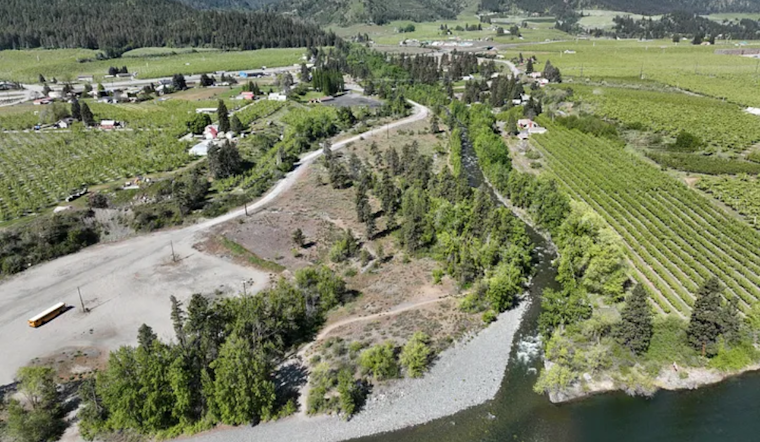
After months of concerted efforts, the initial phase of the Lower Peshastin Creek Salmon Habitat Restoration Project has reached completion, providing a significant boost to environmental conservation in the region. In a concerted effort to remediate toxic lead waste, Cascade Fisheries, in collaboration with the Washington Department of Fish and Wildlife (WDFW), has successfully excavated and treated around 2,500 cubic yards of soil laden with lead, ensuring the safety of the groundwater, flora, and fauna.
With the contaminants removed, the focus has shifted to habitat restoration—a critical step in bolstering the creek's role as a sanctuary for endangered species. Contractors are already preparing to kickstart this next phase, promising a flurry of activity, including log trucks and heavy equipment movement throughout the workweek. According to the Washington Department of Fish and Wildlife, this phase will restore the creek to its historic pathway, increasing floodplain access and enhancing the fish habitat through innovative solutions like Engineered Log Jams and roughness wood structures intended to promote biodiversity within the streambed.
To ensure community safety and awareness during the ongoing restoration works, Cascade Fisheries has announced that it will be hosting a boater safety class on May 21 at Colchuck Consignment in Cashmere. This initiative aims to educate boaters on navigating the evolving landscape of Peshastin Creek amid the rehabilitation efforts. Additionally, once the habitat restoration wraps up, the project will include the construction of an interpretive trail, complete with educational signage to inform visitors about the importance of salmon and their habitats.
The scope of the restoration is marked by the vast excavation of approximately 21,000 cubic yards of earth to redefine the creek and its floodplain. With the upcoming addition of 34 engineered log jams and 13 floodplain roughness wood structures, the ecological complexity of the creek will improve, facilitating better sediment sorting and habitat diversity for fish species. And as reported by WDFW, roughly 3,500 cubic yards of streambed material will replenish the creek bed, enhancing its natural resilience against high water flows and creating a living, dynamic waterway once more.





