

























































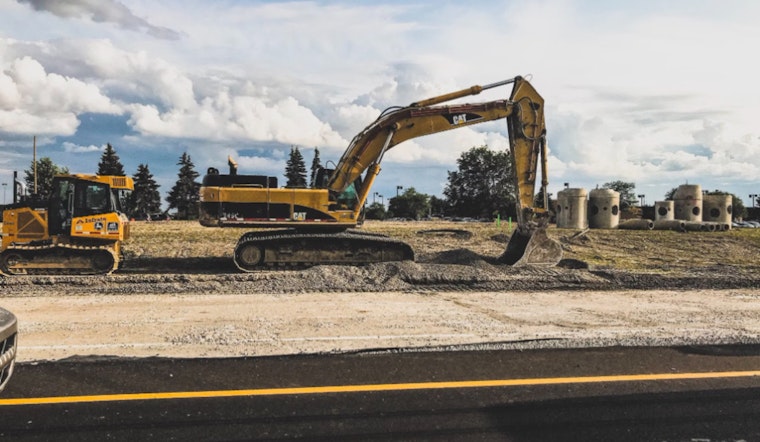
Massachusetts gas companies, already facing scrutiny for inflated bills this winter, have been ordered by state regulators to cut spending on natural gas pipeline repairs and replacements as part of the Gas System Enhancement Plan (GSEP), a program which has been criticized for lack of cost control and driving up customer bills, as reported by WCVB.
The Department of Public Utilities (DPU) issued orders to reduce the permissible GSEP spending from 3% of the gas companies' total revenues to 2.5%, which will further drop to a minimum of 1.5% by 2027, a cut expected to lower customer bills this year, costs under GSEP have nearly tripled since its 2015 inception, from $1.32 million per mile of pipe to $3.46 million, sparking concern over the financial burden on consumers, and Eversource and National Grid, have seen costs rise 61% and 63% since 2020, respectively, according to WCVB's report.
DPU's scrutiny revealed that gas companies may have also overcharged customers by billing for the removal of old pipelines, when in many instances these pipes are simply left in the ground, and as such they are now under investigation, as indicated in a statement obtained by WCVB. In response to the DPU's order, both National Grid and Eversource have indicated their commitment to providing safe gas delivery, simultaneously affirming their intent to review the regulatory changes.
According to a report by WBUR, the Attorney General's office estimates that 8-11% of monthly customer payments are currently directed to funding GSEP to address aging, leak-prone pipes—as an overwhelming surge in gas bills this winter brought a stronger focus on the financial pressures faced by ratepayers who are pushing for relief. The overhaul comes amid findings that utilities may have pursued replacements over less costly repairs, and prioritizes cost-effectiveness and safety, without compromising the state's goals to reduce planet-warming emissions.
Alongside the financial adjustments, the DPU is introducing a more stringent oversight system that emphasizes addressing the most critical leaks and encourages the adoption of "non-pipeline alternatives," such as the transition to electric heat pumps, which may deliver cost savings to customers—as much as a 17% decrease in the GSEP surcharge on their bills — this move is lauded by environmental advocates such as Larry Chretien, the executive director of the Green Energy Consumers Alliance, who described the state's move as "good for today’s consumers and even better for consumers over the long run," an emphasis shared by economist Dorie Seavey, who emphasizes the long-term implications of such massive investment decisions on consumer ratepayers, in an interview with WBUR.





