

























































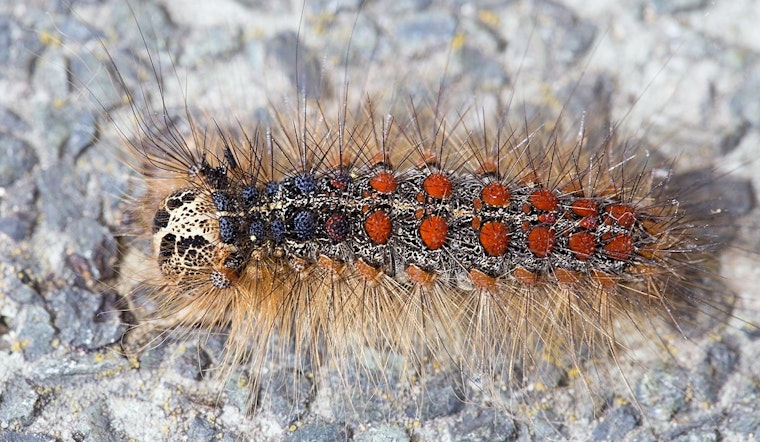
In a turn of events that underscores the complexity of environmental management, the Minnesota Department of Agriculture (MDA) has nixed its planned aerial assault on the invasive spongy moth population in Coon Rapids. Budgetary constraints and a lag in federal funding forced the MDA to reconsider its strategy against the pest that has wreaked havoc on over 300 species of trees and shrubs, as reported by the City of Coon Rapids. In lieu of the previously scheduled May spray, residents will now see an emergency quarantine take effect in part of the city.
The implications of spongy moth are severe; the detested caterpillars feed on foliage with such voracity that they often leave a trail of death in their wake. According to the Coon Rapids civic alert, "spongy moth is an invasive species which means there are no predators, there's no really diseases that keep the population in check." This statement, attributed to Matt Gallo, the MDA spongy moth treatment coordinator, reveals the distinct challenges of controlling a species that’s largely unchecked by the local ecosystem. It is worth noting a misstep in the wording of the original text, which ought to have read "there's no really diseases."
The quarantine serves as a stopgap to slow down the spread of the invasive insect until long-term measures can be implemented. Residents and local businesses must adjust to the new limitations, which reportedly will remain in place until June 15, 2026. Full details of the quarantine and its implications are available through the Coon Rapids official website.





