

























































In a move to significantly improve regional connectivity, leaders from Montgomery and Howard counties have come together to officially put into effect a transit partnership that promises to bolster transportation ties along the heavy-commuted US Route 29. In a recent announcement, Montgomery County Executive Marc Elrich and Howard County Executive Calvin Ball laid out their plans together with other key players in Maryland's transportation sphere.
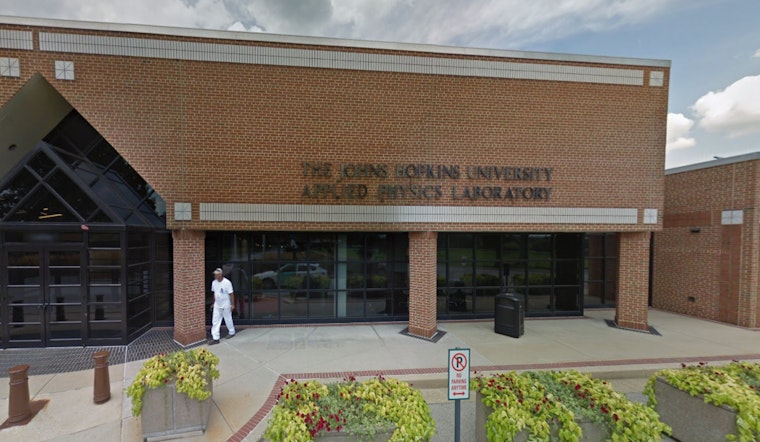
The announcement, which took place on Tuesday at the Kossiakoff Center at Johns Hopkins Applied Physics Laboratory, marks a concerted effort to directly connect the two Maryland counties and to specifically address the needs of commuters who regularly traverse US Route 29. This collaboration aims not only to decrease commute times but also to radically reduce the carbon footprint of daily travel by providing enhanced transit service options.
The partnership's critical stakeholders include Maryland Department of Transportation Assistant Secretary Joe McAndrew and representatives from both counties' departments of transportation, among others. The present plans, detailed on Montgomery County's official portal, show the initiative as a key step towards realizing a more interconnected Maryland, enhancing ease of access for residents, and contributing to the economic vitality of the region.
During the press conference, Calvin Ball emphasized the commitment of both counties in working to "seamlessly integrate their transit systems." The proposed expansion is part of a broader attempt to not just physically connect these disparate county lines, but to also foster a sense of regional unity through shared infrastructure and resources. Assistant Secretary Joe McAndrew and officials from the Johns Hopkins Applied Physics Laboratory, including Chief of Staff Erik Johnson, were also present to express their support for the new transit partnership.
Montgomery County's Department of Transportation, represented by Rapid Transit System Development Manager Joana Conklin, and Howard County Office of Transportation's Administrator Clarence Dickerson, III played pivotal roles in forming the consensus that led to this partnership. The collaborative effort reflects a forward-thinking approach to transportation, poised to potentially become a model for counties nationwide grappling with the complexities of cross-jurisdictional travel.





