

























































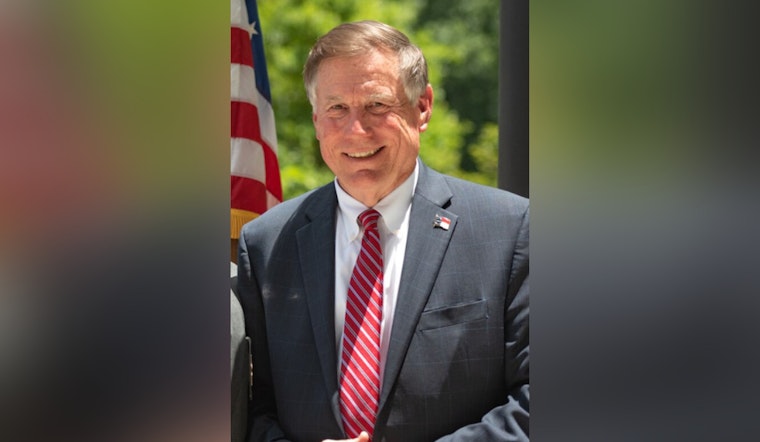
North Carolina's Insurance Commissioner Mike Causey has imposed fines totaling $113,000 on two insurance firms, The Members Insurance Co. and Universal Insurance Co., after a market conduct examination found various violations. These companies are part of the Auto Club Group and offer private passenger automobile and homeowners’ insurance policies in the state.
The Department of Insurance demanded that the companies to not only pay the fines but also to refund over $2.6 million to policyholders, a number that includes interest as well. As reported by the Department of Insurance, "I’m happy that we were able to get Members and Universal to provide more than $2 million in refunds owed to policyholders," Commissioner Causey expressed. His relief was evident too in resolving the issues outside an administrative hearing.
Starting on May 16, 2023, and concluding on May 2, 2024, the examination scrutinized transactions from July 1, 2019, to June 30, 2022. The investigation's findings included several improper practices such as not correctly notifying policyholders of consent-to-rate charges, billing incorrect amounts, and being excessively slow to issue claim payments.
Under the terms of a voluntary settlement agreement, Members and Universal have admitted failing to meet statutory and regulatory requirements. They chose to enter this agreement to avoid a potential administrative hearing. According to the settlement agreement, which was obtained by the Department of Insurance, the companies have proposed corrective actions to rectify the violations found during the examination.
The collected fine, as stipulated by North Carolina's Constitution, is designated for the enhancement of public schools. This outcome not only holds the companies accountable for their legal oversights but ultimately funnels funds back into the public sphere, reinforcing the state's commitment to education.





