

























































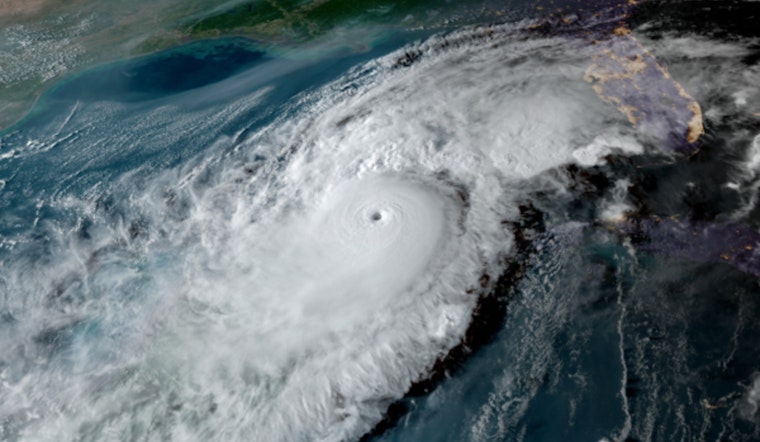
With the Atlantic hurricane season ready to sweep in, the National Oceanic and Atmospheric Administration is predicting an upbeat tempo of storms, pointing towards an 'above normal' few months. Between tomorrow and November 30, experts believe we could be looking at 13 to 19 named storms making their presence felt, with up to 10 evolving into full-blown hurricanes. This has been partly credited to ocean temperatures, which are hanging out on the warmer side of average.
Predictions, refined through science and gauging nature's temper, indicate that these storms are not just an issue for those with sand beneath their feet. Even far from the coasts, the remnants of these tropical punch-ups can stir up heavy rain, fierce wind gusts, crackling lightning, surging waterways, hail, and even tornadoes. Given the forecast of heightened activity in August, September, and October, the Philadelphia Office of Emergency Management (OEM) is sounding the clarion to residents and businesses, urging preparation for the tempestuous months ahead.
Citing threats that span across Philadelphia's diverse neighborhoods, Dominick Mireles, the OEM Director, stressed, "Philadelphia experiences storm damage in the form of flooding, downed trees and electrical wires, and structural damage throughout the city, from Manayunk to Port Richmond, Cobbs Creek to Germantown, and Eastwick to Somerton," in a statement obtained by City of Philadelphia. Mireles continued to advocate for readiness "Stay safe by becoming emergency ready in your home. A prepared Philadelphian makes safer, stronger, and more resilient communities throughout our city." His point accentuates the wider agenda for comprehensive urban safety and sustainability.
The OEM's hazard mitigation planning team, achieving milestones, has updated the city-wide Hazard Mitigation Plan and buckled down on the 2025 Severe Weather Plan – said to be one of OEM's most utilized emergency outlines. Adding to its already commendable arsenal of safety strategies, the team has identified ways to keep the city's populace in the loop and guarded against the potential fury of upcoming storms.




