

























































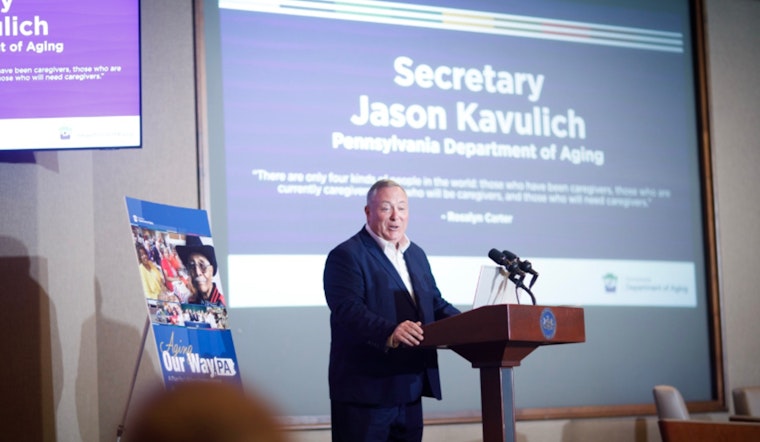
In Pennsylvania, the Department of Aging is stepping up to offer much-needed support for the state's 1.5 million unpaid caregivers, launching a new set of tools to help them manage their considerable responsibilities. The PA CareKit, as the resource is called, comes as a response to caregivers who have long expressed the need for more robust support in their roles—roles that often go unrecognized in their economic and emotional depth, according to the Pennsylvania Government.
The PA CareKit, introduced by the department's Secretary Jason Kavulich, features varied support options including personalized resource guides and access to respite services. It aims to alleviate some of a burdens that caregivers shoulder daily. In a statement obtained by the Pennsylvania Government, Kavulich said, "Caregiving is important work that can be deeply rewarding, but it can also present a variety of challenges to a caregiver's personal resources and well-being." The resource is a direct result of feedback during the development of Aging Our Way, PA, a comprehensive decade-long plan targeting the improvement of aging services infrastructure.
Pennsylvania Government reports that the PA CareKit took nine months to develop since its inception in August 2024. It stands as a testament to the Shapiro Administration's commitment to transforming the experience of aging in Pennsylvania, ensuring those who care for their loved ones have adequate support to do so within the comfort of their homes and communities.
The initiative also includes resources for families to evaluate and select professional caregivers, responding to a practical need for trust and reliability in such crucial decisions. Secretary Kavulich emphasizes the significance of caregiver input in shaping Aging Our Way, PA, acknowledging their role as a key priority. "When designing the plan, caregivers indicated they needed more tools and resources to maintain the level of care for their loved ones to remain in their homes and communities," Kavulich told the Pennsylvania Government.
This newest addition to Pennsylvania's caregiver support infrastructure not only acknowledges the invaluable contribution of unpaid caregivers but also seeks to bolster their efforts with practical, personalized tools. As the state looks ahead, the PA CareKit may well be the foundation that energizes a more sustainable, humane approach to caregiving in the coming years, as per the Pennsylvania Government.





