

























































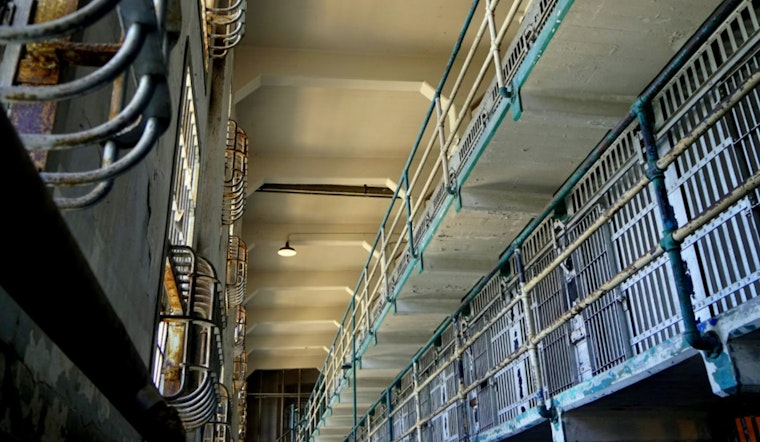
Philadelphia has reached a prison population milestone not seen in over three decades, with officials attributing the decline to a series of criminal justice reforms. According to the City's Department of Prisons, as of last Thursday, the number of inmates has dropped to 3,480, a figure last recorded in April 1992. This substantial decrease showcases a concerted effort between various entities within the city's justice system, as reported by the City of Philadelphia.
The collaborative strategies to steadily decrease the population have included emergency bail hearings, expedited case reviews, and assessments particularly focused on probation issues and health treatment needs. Despite the complex challenges of criminal justice, these initiatives have managed successfully to reduce the number of individuals detained, making it more than 1,300 fewer compared to counts taken the previous summer.
As reported by Philly's Department of Prisons, the falling inmate numbers allow for significantly improved conditions for those still inside, providing greater access to out-of-cell time, increased services, and a reduction in medical backlogs. Such benefits are a direct result of both policy change and a modified intake process aimed at immediately identifying serious health concerns among new arrivals to the facilities.
Moreover, there's been a promising rise in workforce interest for the city's prisons, marking another positive development in the department's evolution. Commissioner Michael R. Resnick expressed optimism about these trends, stating, "Having the officer corps grow and the population shrink are positive indicators that we're moving in the right direction," as mentioned in an official statement. The department's pilot program, launched last month, aims to also improve real-time medical monitoring for ongoing health conditions.




