

























































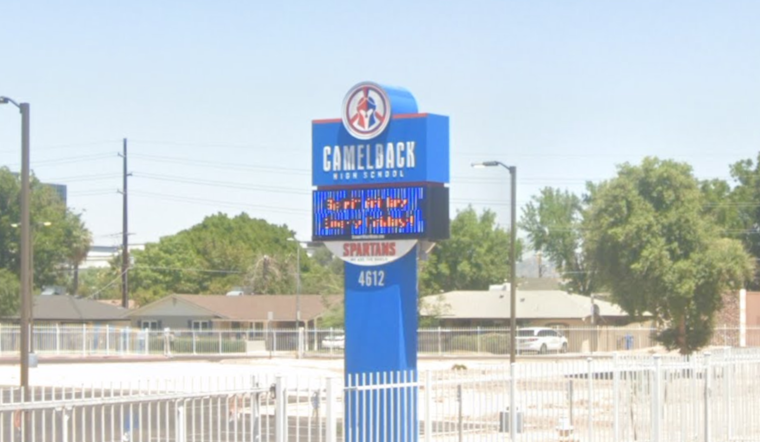
As Phoenix celebrates the success of its Freshman House program, with Camelback High School's graduation rates soaring to record highs, a broader conversation emerges about the value of student support services. ABC15 reports that Camelback High's on-track rate for freshmen grew from 42% to 87% over five years, thanks to a model that includes targeted teams of educators and social workers. "It's no surprise that that first group of in person ‘Freshmen House’ kids have the highest scholarship totals in our history," Camelback High School Principal James Arndt told ABC15.
Similarly, a focus on student support services at the community college level also demonstrates promising results. According to Skillpointe, a Brookings review emphasized that such services are critical, especially for students who are low-income or the first to attend college in their families. With 46% of community college students completing their degree within six years, this approach could be a game-changer for many. "It’s like a weird maze," expressed Santos Enrique Camara, a community college student, in a sentiment that underscores the challenges faced by many, as quoted in Skillpointe's coverage of the issue.
Evidence suggests that structured support can bridge gaps in understanding and navigating higher education's complexities, potentially shifting completion rates and workforce readiness. Such comprehensive programs have been shown to improve persistence rates and job prospects post-graduation. As the Arkansas Career Pathways Initiative illustrates, students with such support had a 62% completion rate, distinctly higher than the state average.
Models from the City University of New York's ASAP program and Tarrant County College's Stay the Course initiative present compelling evidence for the positive impact of sustained personal guidance and other tailored services. These innovations represent a wider systemic move toward nurturing student success through practical and continuous support. North Carolina's Student Success Center showcases the benefits of instituting guided pathways and responsive technological systems to help students stay aligned with their degree goals.





