

























































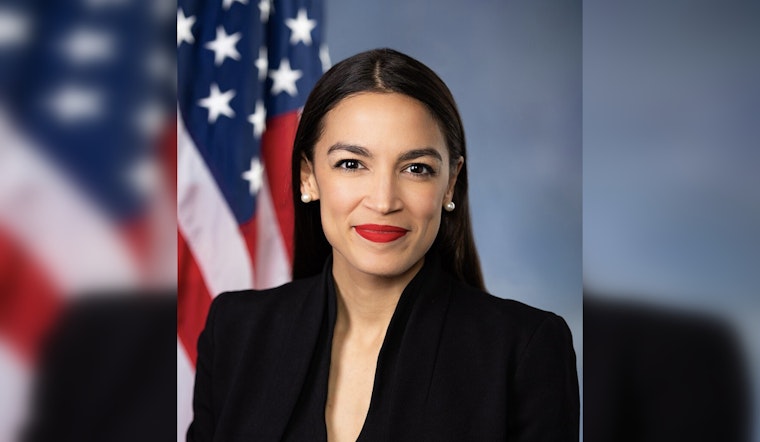
In a decision that highlights the influence of seniority in politics, Rep. Alexandria Ocasio-Cortez has chosen not to pursue the position of the top Democrat on the House Oversight Committee. The New York congresswoman had previously lost a bid for the post to Rep. Gerry Connolly, who recently stepped aside due to health concerns, NBC New York reported.
Ocasio-Cortez, known for her progressive views and outspoken presence, had initially considered running for the position again but has since changed her mind. She explained that the party's focus on seniority has remained unchanged, which she felt was a key factor in her decision, as reported by The New York Times.
By stepping back from the Oversight role, Ocasio-Cortez may be opening the door for another younger, similarly progressive representative to pursue the position. The committee is expected to play a significant role in overseeing the former Administration. Ocasio-Cortez's decision also raises questions about the Democratic Party’s approach to seniority when selecting leaders for key committees.
Since her election in 2018, Ocasio-Cortez has become a prominent political figure, with her alignment to Senator Bernie Sanders further boosting her visibility. Despite this, she has stayed on the Energy and Commerce Committee and opted not to move to the Oversight Committee. This decision, even though she has expressed interest in leadership, highlights the ongoing tension within the party between maintaining tradition and embracing new leadership. Some Democrats on the Oversight Committee had been waiting to see if Ocasio-Cortez was interested, acknowledging her strong communication skills which, they suggest, would make her a "good foil to the Trump administration," according to The New York Times.
With Ocasio-Cortez out of the race, attention may shift to other potential candidates, including Rep. Stephen F. Lynch of Massachusetts, who has filled in for Connolly at recent hearings and shown interest in the role. While no official vacancy has been announced, this development may signal changes within the Democratic Party's leadership landscape.





