

























































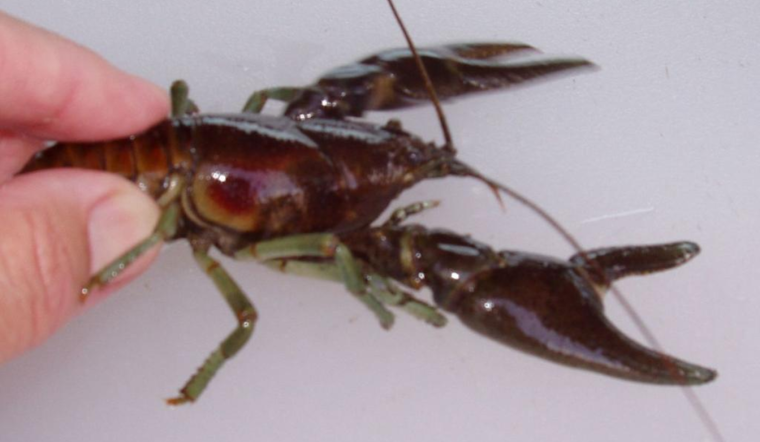
The invasion of non-native species continues to plague Colorado's aquatic ecosystems as Colorado Parks and Wildlife (CPW) confirms the presence of rusty crayfish in the West Fork Little Thompson River. This unwelcome discovery marks the crustacean's first foray into the Little Thompson River and the Northeast Region, expanding their territory in Colorado, east of the Continental Divide, for the second time.
CPW was alerted to the invaders on April 7 by a concerned citizen using iNaturalist, a popular species identification app. The ANS Sampling and Monitoring Team sprang into action the following day with a survey, and on April 18, genetic tests verified that the samples collected were indeed those of rusty crayfish. CPW will ramp up monitoring efforts in the coming months to ascertain the size and scope of the population in the affected river, as reported by Colorado Parks and Wildlife.
The rusty crayfish, a brawny crustacean hailing from the Ohio River basin, is known for its competitive edge over native species when it comes to food and habitat. CPW categorizes them as a prohibited aquatic nuisance species due to their destructive eating habits, which target vital vegetation, and their prolific breeding. "Rusty crayfish are much more aggressive than our native crayfish species and are not an ideal food source for our sportfish," said Robert Walters, CPW’s Invasive Species Program Manager, as per Colorado Parks and Wildlife.
Identifiable by their distinctive dark bands on claw tips and rusty patches on their abdomens, these crayfish have made themselves at home in five other Colorado waterbodies since their appearance in Lake Granby in August 2023. These aquatic invaders can persist in both standing and swiftly moving waters, growing to sizes of up to five inches, for the males, at least. To combat the spread of these and other aquatic nuisance species, CPW emphasizes the importance of cleaning, draining, and drying all watercraft. Boaters are required to undergo inspections at designated points and must disclose any out-of-state launches to inspectors, according to Colorado Parks and Wildlife.




