

























































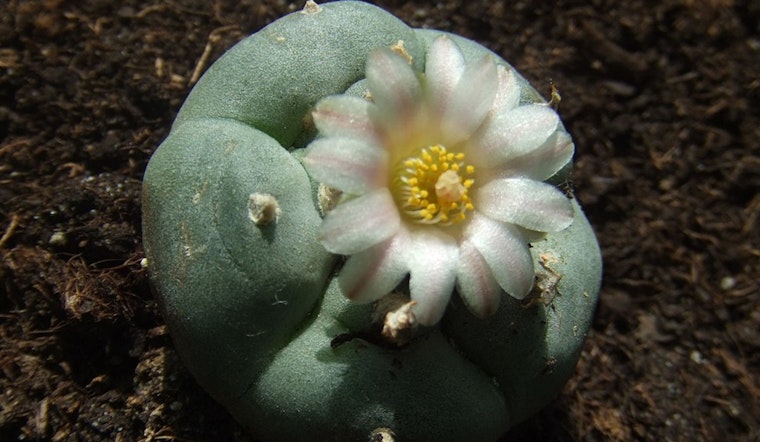
At the forefront of a unique conservation effort, the Scottsdale Research Institute (SRI) in Arizona is cultivating an unusual garden: a collection of some 2,000 peyote plants, a cactus better known for its psychoactive properties and spiritual significance to Indigenous communities. Although classified as a Schedule I substance, and thus illegal to possess in the U.S., SRI operates under a research license that permits them to study and grow this vulnerable plant. According to a Phoenix New Times report, SRI became involved with the preservation of peyote when faced with the potential destruction of a neglected crop by the DEA.
Despite its legal status, SRI's Director Dr. Sue Sisley is not focused on exploring the hallucinogenic effects of the plant. "This is not our medicine. Peyote is really the domain of the Indigenous community to manage," Sisley told Phoenix New Times. It's a critical responsibility that SRI has undertaken, working closely with the Navajo Nation, to ensure the survival of peyote which is at risk of extinction in Mexico with no legal protections in the U.S. In an effort to support tribal sovereignty, the Scottsdale lab is engaged in what could be deemed a botanical rescue operation, with a commitment to return the plants to their rightful stewards.
Kevin Kozup, head of cultivation at SRI, emphasized in the Phoenix New Times interview the sensitivity of the task at hand. Beyond the regimen of replicating natural environments and attending to delicate root systems, some of which are as old as 200 years, Kozup believes there's something intangible about the connection between the plants and the Indigenous peoples who have used them for centuries. Though Kozup acknowledged the potential dangers of further scarcity if peyote were to be decriminalized, he sees the current endeavor as a beacon of cultural and ecological respect.
According to a KJZZ report, the process to bring these plants to a point where they can be reintroduced back into their original habitat will take years. "They're an incredible medicine that Indigenous community has learned how to harness the medical benefits of this for their ceremony," Sisley mentioned, highlighting the deep relationship between peyote and its traditional users. As part of the strategy, SRI is also helping the Navajo understand agricultural techniques that could amplify the plant's supply, ensuring its presence for future generations.




