

























































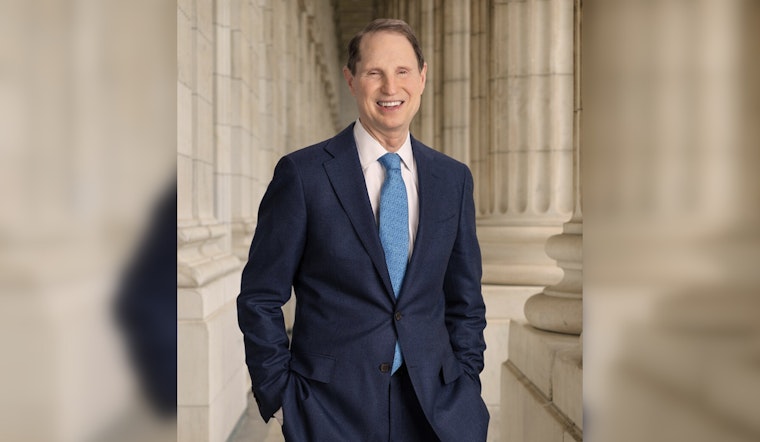
U.S. Senator Ron Wyden has called for an investigation into the Trump Administration over threats to revoke Harvard University's nonprofit status, a move he deems potentially criminal, as he joins forces with fellow Democrats, Senators Chuck Schumer, Elizabeth Warren, and Ed Markey who are pressing for clarity and accountability. According to a press release posted on Wyden's official Senate page, the group has reached out to Acting Treasury Inspector General for Tax Administration, Heather Hill, urging an immediate response.
The controversy stems from a post by former President Trump suggesting Harvard's tax-exempt status be reevaluated, insinuating that their academic pursuits equate to political warfare, "Perhaps Harvard should lose its Tax-Exempt Status and be Taxed as a Political Entity if it keeps pushing political, ideological, and terrorist inspired/supporting ‘Sickness?'" as stated in the press release. The Senators argue this constitutes a misuse of presidential authority for partisan retribution and such allegations bear the weight which requires a thorough investigation into to ensure the checks and balances of our system remain intact.
Harvard University, recognized for its substantial financial resources and prominent academic standing, remains at the center of this political showdown, yet has not issued a formal response to the accusations at the time of this report. The nature of the potential investigation raises pertinent questions about the separation of powers and the tools available to a President targeting what is perceived as political opposition under the guise of policy enforcement.
The senators involved have characterized the allegation as a concern not only of administrative overreach but also of potential implications for academic freedom. The situation is part of a broader discussion regarding claims that higher education institutions may promote certain political ideologies. The senators have stated that the authority of the presidency should not be used to influence or penalize academic institutions based on their research or teachings. The outcome may contribute to ongoing considerations about the scope of executive power and the autonomy of educational institutions.





