

























































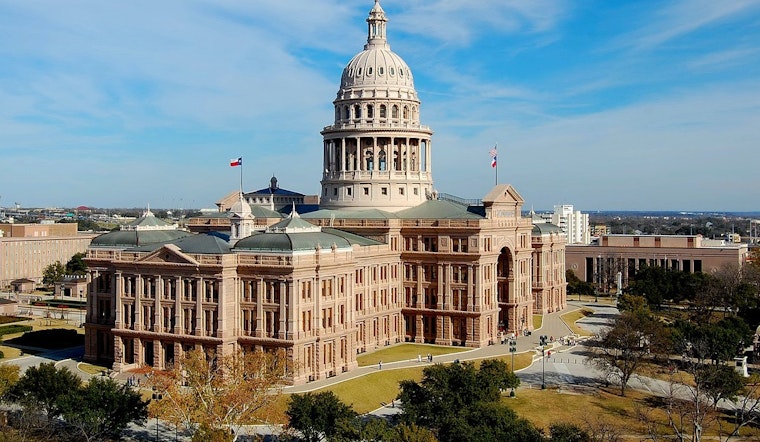
The Texas House has taken steps that could significantly increase governmental oversight over public universities, with a bill that aims to put additional controls on academic content and personnel decisions. CBS Austin reports that the legislation would grant appointed university regents, a group traditionally removed from daily educational operations, the authority to review and potentially reject courses they deem inappropriate for ideological reasons or misaligned with state workforce demands.
According to a statement obtained by The Dallas Morning News, university boards would also play a direct role in hiring decisions traditionally left to campus leaders. Having received preliminary House approval, the bill—Senate Bill 37—could limit the scope of academic freedom, instilling fear among faculty that their teaching could lead to potential investigations if it's found to be controversial or misaligned with legislated values.
The legislation also proposes the creation of a state-level committee to recommend required graduation courses, while faculty councils or senates that previously advised on academic matters would have reduced influence. As reported by CBS Austin, half of their members would be appointed by the university president instead of being elected, and they could be removed for using their position for political advocacy. This move is criticized for undermining faculty voices and injecting politics into the classroom.
Despite the controversy, supporters of the bill, including state Rep. Matt Shaheen, R-Plano, argue that it actually aims to align education with the practical needs of the workforce, stating "the end result is going to be that the degrees that your children and grandchildren graduate with are going to be more valuable," according to a statement obtained by The Dallas Morning News. Conversely, Democrats in the House, as well as educators throughout the state, have voiced strong opposition, fearing the measures will stifle intellectual debate and narrow the scope of educational content.
While the bill's proponents see it as a correction to perceived biases and an unnecessary indoctrination within higher education, the potential for subjective interpretation and enforcement has raised alarms. Among others, Rep. Donna Howard, D-Austin, told CBS Austin that the bill is "about increasing control" and not about improving academia. The fear mounts that Texas could experience a 'brain drain' as current and prospective faculty consider employment in states with ostensibly less restrictive educational policies.
Senate Bill 37, authored by Sen. Brandon Creighton, R-Conroe, requires one more House vote before potentially proceeding to a final reconciliation with the Senate version and then to Governor Greg Abbott's desk. The fate of academic freedom and the autonomy of educators in Texas remains in flux, pending legislative negotiation and potential executive action. As The Dallas Morning News reports, the bill's advancements could herald a pivotal shift in the governance structure of public institutions in the state of Texas.





