

























































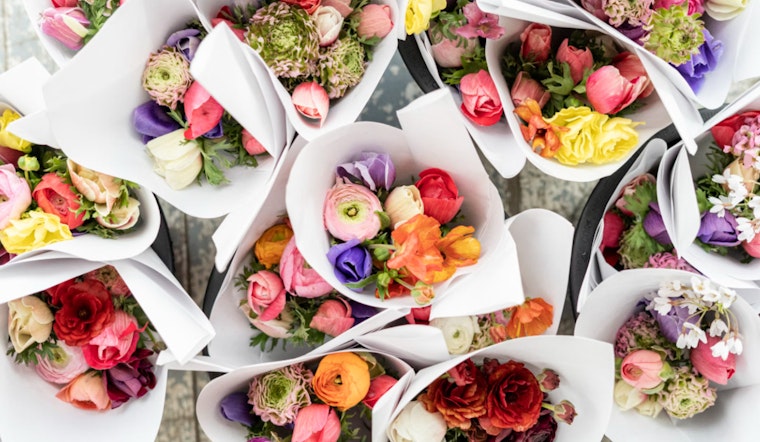
In the lead-up to Mother's Day, a time when bouquets become more than just colorful arrangements but symbols of appreciation, U.S. Customs and Border Protection (CBP) agriculture specialists have been hard at work inspecting over 1.2 million imported cut flowers. According to a recent release by the CBP, these inspections serve as a safeguard against the potential introduction of harmful pests through these floral imports, which surge during the busiest seasons for flower imports: Mother's Day and Valentine's Day.
The significance of these inspections lies not merely in their quantity, but in their critical role in protecting U.S. agriculture. Miami serves as the premier port of entry for these flowers, managing about 88% of the imported stems, while Otay Mesa and John F. Kennedy Airport handle most of the remaining 12%. "Flowers are a wonderful gift for Mother's Day, but they could also be a hiding place for dangerous pests that could harm our country,” said Carlos C. Martel on CBP's website, Miami and Tampa Field Offices Director. He lauded the CBP agriculture specialists, describing them as "the first line of defense against destructive pests.
The concern over these seemingly innocent Mother's Day gifts is not unfounded. Pests such as the Nysius, the seed bug or milkweed bug, have the potential to inflict significant harm on domestic crops, amounting to millions in damages. The CBP's vigilance is evidenced in their numbers, having intercepted 552 pests across 1,081 Mother's Day shipments by May 4. All this, underscores the delicate balance between the international flower trade and the imperatives of national biosecurity.
The CBP encourages those looking to import flowers, plant materials, and other agricultural items to consult with experts before doing so. The agency provides resources and guidelines through the CBP Info Center on their website to inform importers and the public about how to prevent the unintentional spread of pests. As Martel remarks, "Their vigilance and dedication inspecting cut flowers ensure these flowers are free from invasive pests, and our nation's agriculture is protected.





