

























































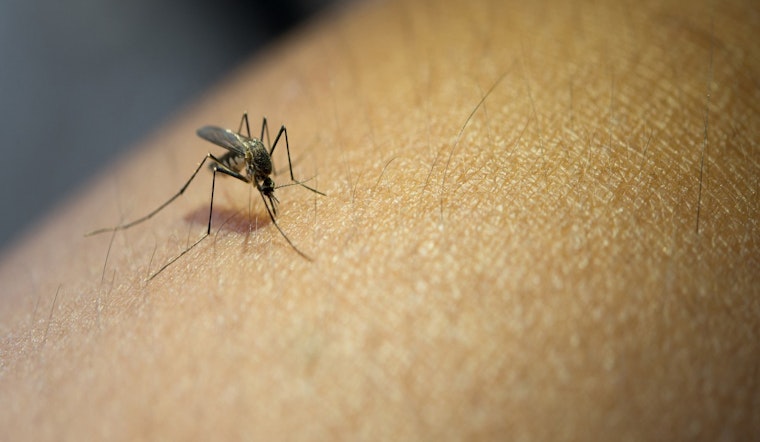
As the calendars turn and the temperatures rise, familiar whine of mosquitoes once again become the chorus of the summer nights. In Upper Arlington, the local government and health officials are gearing up, as they do every year, to manage the mosquito population and mitigate the health risks associated with these perennial pests. Building on efforts to keep the mosquito threat in check, Franklin County Public Health (FCPH) has resumed its yearly vigilance against the insects known for their role in transmitting diseases such as West Nile and various forms of encephalitis.
To proactively reduce mosquito habitats, the City of Upper Arlington's website advises residents to conscientiously empty any receptacle capable of holding water, such as birdbaths and pet water dishes, and to treat water barrels with Mosquito Dunks®, a larvicide harmful only to mosquito larvae. To manage the mosquito population, FCPH has taken to setting traps from mid-May through September to identify areas with high mosquito activity or where mosquitoes carry the West Nile Virus. If a significant risk is detected, the health department employs adulticiding, more commonly known as spraying, using Merus 3.0—an organic botanical pyrethrin—to keep the population at bay without causing undue harm to organic gardens and the bees buzzing within them.
When it comes to spraying practices, several precautions are recommended. According to the City of Upper Arlington's announcement, "Bring pets indoors. Remain indoors with windows closed for about 30 minutes after spraying has occurred. If you come in contact with any pesticides, wash with soap and water." Further recommendations include re-washing any laundry left out or washing garden produce exposed during spraying, and allowing an hour to pass before children play in treated areas. Residents are kept in the loop about spraying schedules through the city's communication channels, including UAAlerts and social media, and can also sign up for Mosquito Spraying Updates directly from FCPH.
The efforts of FCPH and the cooperation of the community are critical in maintaining a balance, protecting public health without disrupting the delicate ecosystem of which mosquitoes, however pesky they may be, are a part of. The city's enhanced website now simplifies processes for residents by allowing online requests, submission of Do Not Spray forms, and registration for beekeepers to protect honey bee populations. It serves as a testament to the partnership between governance and the governed—each doing their part, small though it may seem in isolation, to weave the greater tapestry of public welfare and environmental stewardship.





