

























































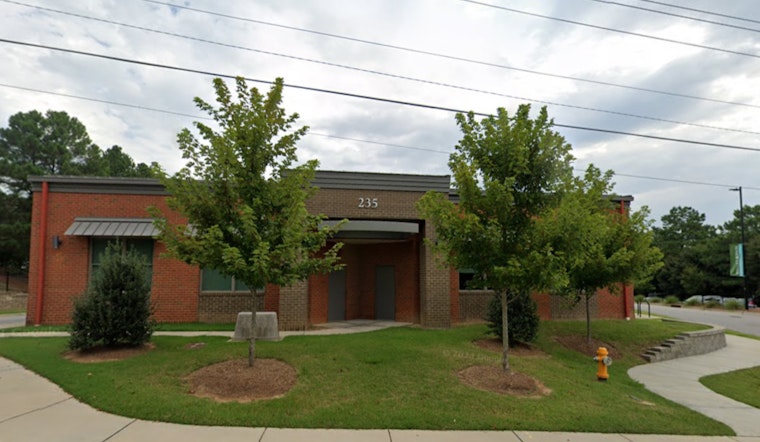
The facility formerly known as the Northern Wake Senior Center has undergone a significant rebranding, now bearing the name Wake Forest Center for Active Aging. This change was spurred by the center staff's concerns that the word "senior" could evoke negative sentiments associated with old age, so they proposed a new name that focuses on the lively and spirited nature of the center's inhabitants. Director Jennie Griggs played a pivotal role in the renaming process, wherein "active aging" was selected to paint a more accurate portrait of the center's ethos, the Town of Wake Forest announced.
Wake Forest Mayor Vivian Jones reinforced this sentiment, stating, "It's clear the center serves a very active community," underscoring why "Wake Forest Center for Active Aging" fits the bill. The facility is not just a haven for leisure; it also serves as a hub of ceaseless activity, offering an array of programs ranging from fitness and crafts to language classes and provides support through numerous health groups and clubs, a facility that certainly defies any stereotypical renditions of passivity you might expect from a 'senior center', as per the Town of Wake Forest.
In harmony with the renaming, the center introduced new branding, including a logo featuring interlocking circles that embody the center's dedication to mental, physical, and social enrichment. The center's new insignia, consisting of three multi-colored interlocking circles, which stand for these three pillars of enrichment, places an individual at its heart—a symbol of dynamic motion and continuous growth.
Much more than mere cosmetic changes are afoot, with the Town set to take over the management and programming duties from Resources for Seniors by July 1; nonetheless, the Wake Forest Center for Active Aging ensures the community that the level and variety of services provided will persist, according to the Town's web post. Patrons can anticipate the same educational workshops, wellness activities, recreational programs, and special events, along with efforts to bolster intergenerational connections and utilization of the space for community events.




