

























































Residents and commuters who grapple daily with the traffic snarls on US 1 might see a light at the end of the congested tunnel. The Capital Area Metropolitan Planning Organization (CAMPO) is actively looking to transform US 1 into a freeway, a campaign spanning several decades that has faced delays and rising costs. In collaboration with the NC Turnpike Authority, CAMPO is considering four scenarios for tolling to keep this project on the rails. These options, featuring different financial models, whether standalone or integrated into the Triangle Expressway System, promise to finally expedite the upgrade as outlined in NCDOT’s U-5307 plan.
The schemes on the table range from turning the corridor into an expressway, much like N.C. 540 in Wake County, or introducing express lanes akin to those on I-77 in Mecklenburg County. Encountering further cost increases and delays, the partners have decided to quickly push forward a study by the NC Turnpike Authority to identify innovative funding methods that may just preserve the project’s feasibility and anticipated schedule. According to a statement obtained by the town’s official website, these examined scenarios are poised to provide various outcomes in terms of not just cost and legislative requirements, but also in their expected completion dates.
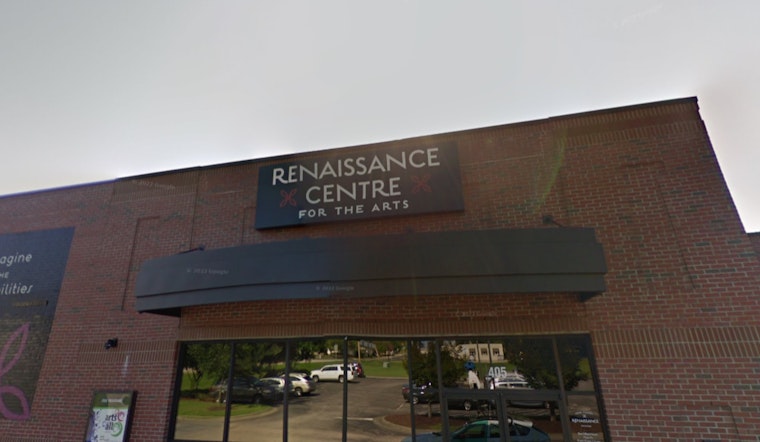
Local officials are inviting all community members to a Public Information Session being held today from 5 to 7 p.m. at the Wake Forest Renaissance Centre. The event provides residents an opportunity to voice their opinions and concerns directly to representatives from CAMPO, NCDOT, and the NC Turnpike Authority. Designed to encourage active engagement, the session allows individuals to stop by at their convenience, review informational displays, ask questions, and submit comments. It will follow an informal, open house-style format without structured presentations.
Following a previous session held Wednesday at the Abbotts Creek Community Center in Raleigh, this second opportunity to discuss the US 1 North Project reflects officials’ intent to engage the public in shaping the area’s transportation future. Community feedback is considered vital as project partners work to determine which tolling model will best address regional mobility needs. Residents are encouraged to drop in at any time during the two-hour session, as no formal presentation is scheduled. Public input is expected to play a significant role in guiding the future of US 1 and its potential transformation into a corridor aimed at easing current congestion.





