

























































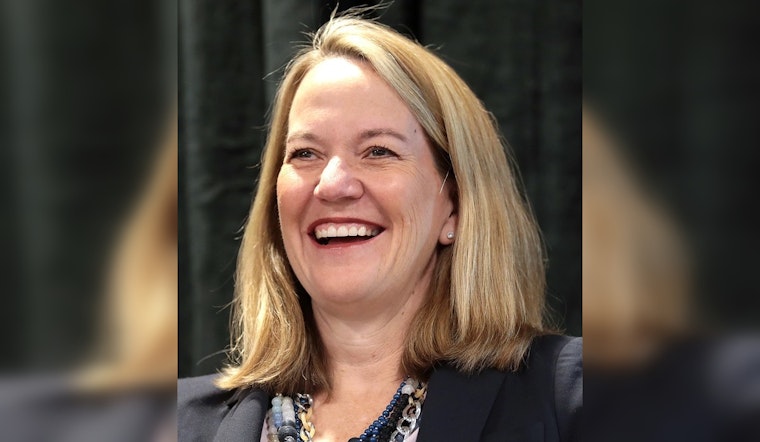
A legal contest over the sale of THC-laced hemp products in Arizona has reached a crucial juncture. Maricopa County Superior Court Judge Randall Warner is set to decide whether the sale of these products at venues such as gas stations and smoke shops should be halted. This ruling, expected next week, follows a significant legal challenge by the Hemp Industry Trade Association (HITA) against the recent crackdown initiated by Arizona Attorney General Kris Mayes.
Mayes, taking a hard line based on state law, has threatened hefty penalties for selling these products outside of licensed dispensaries, including fines up to $20,000 per sale. According to the Phoenix New Times, HITA's resistance highlights a broader defense, "This case is about more than regulatory overreach — it’s about defending the livelihood of Arizona farmers, retailers, manufacturers, veterans, patients and everyday adults who rely on hemp-derived products for wellness, relief and economic opportunity."
The disputed products, which include drinks and gummies infused with hemp-derived THC at levels below the federal limit of 0.3%, were federally legalized under the 2018 Farm Bill. Despite their legality at the federal level, Mayes has argued that they are illicit if sold outside the purview of authorized dispensaries in Arizona. This position, as reported by Phoenix New Times, is informed by the Arizona Controlled Substances Act and the voter-endorsed Arizona Safe and Smart Act of 2020.
Mayes' interpretation of the law has faced staunch opposition, with HITA's lawyer, Julie Gunnigle, asserting that the Attorney General is bending the language of the law for their own ends. Gunnigle told Phoenix New Times, "The attorney general is adding words, deleting words and enforcing an interpretation that is not at all consistent with the plain language of the law."
In an intriguing turn, the Attorney General’s Office, during the hearing referred to by KJZZ, Opined that CBD, a non-intoxicating compound derived from cannabis, is considered a narcotic but added there were no plans to enforce its ban.
The court's upcoming decision will likely not be the final word on the matter, as both parties anticipate an appeal regardless of the ruling. Beyond state lines, the national stage is also contentious with Republicans in Congress seeking to amend the 2018 Farm Bill to make most hemp-derived cannabinoid products federally illegal. A proposed change cited by Gunnigle in the Phoenix New Times interview would effectively close what they call "the hemp loophole," though HITA vehemently contests this terminology, standing firm in their belief that the original bill was designed to embrace all aspects of the hemp plant.



_(cropped).jpg)