

























































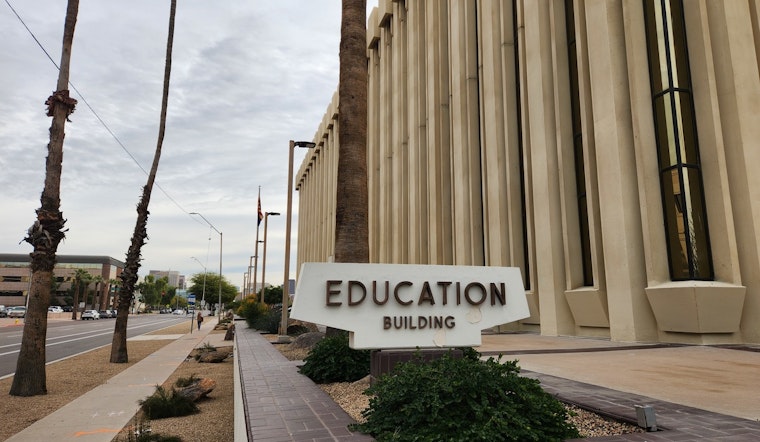
Arizona's educational institutions are facing a potential financial hiccup this month. In a notification that spells trouble, the Arizona Department of Education (ADE) has revealed a $200 million shortfall in funding, threatening to delay state payments to school districts and charter schools. The ADE anticipates it will only be able to dish out about 60% of the regular monthly Basic State Aid payment unless the state legislature passes a new budget or a supplemental package before June 13, as reported by ABC15.
Arizona Superintendent Tom Horne specified that although the funding gap needs to be swiftly closed, a variety of factors contributed to the deficit. These factors include escalated costs from a lawsuit against Maricopa County, higher than expected enrollment adjustments, a significant uptick in voucher program spending, and lower-than-projected property tax collections. Moreover, with the fiscal year rapidly closing at the end of June, Paul Tighe, the executive director of the Arizona School Administrators Association, voiced concern about the precariousness of funding, highlighting that "districts don’t have a lot of wiggle room in their budgets," according to a statement he gave to ABC15.
Specifically, the shortfall originates from several monetary miscalculations and unexpected expenditures that include an additional $10 million for career technical education funds and $13 million in discrepancies in state aid between charters and school districts, as detailed by the ADE in a communication to local school leaders. The largest slices of the fiscal pie contributing to the deficit were $52 million more on Empowerment Scholarships Accounts and $69 million expended on a taxing error lawsuit in Maricopa County, as per KJZZ.
While educators and administrators scramble to reassess their budgets, Charlie Martin, the chief financial officer for the Laveen Elementary School District and former ADE payment overseer, remained optimistic stating, "most school districts are in a pretty healthy place financially," as quoted in ABC15. However, the true scale of the impact won't be fully known until lawmakers, who are already aware of the funding gap, take measures to mitigate the shortfall. Despite the Department of Education signaling confidence that the state will eventually provide the needed funds, school officials are nervously expecting the legislature to hash out an agreement, as lawmakers are not scheduled to vote on a budget until June 16, according to details from a letter to schools obtained by KJZZ.
In the interim, the education community in Arizona must to prepare for a potentially lean period, hoping the financial ripple effects do not extend too deeply into their operations and educational programs. Doug Nick, a spokesperson for the Department of Education, summed up the sentiment in the sector, declaring, "We are awaiting the state budget and are confident that any shortfall will be covered," as he told KJZZ. In the event of a partial payment on June 13, the remaining funds are promised to follow soon after additional funding is approved, a statement offering a glimmer of hope for Arizona's schools.


