

























































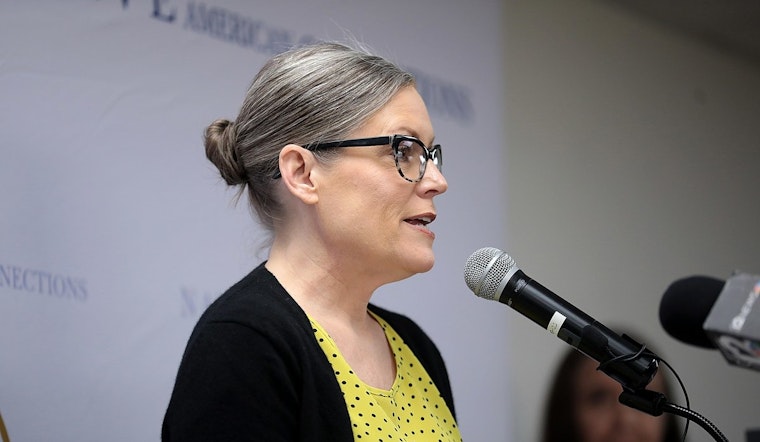
Arizona Governor Katie Hobbs and a coalition of state leaders are making waves as they urge Congress to safeguard the state's investments in energy and manufacturing. As reported by the Office of the Arizona Governor, the latest figures from the Arizona Commerce Authority have painted a dire picture: the Congressional Reconciliation Bill's cuts threaten to erase 69,000 jobs and $58 billion in business investment. Hobbs termed this potential reversal as an affront to the "Arizona Promise," which aims to offer a hand up to working-class Arizonans through economic growth.
"The federal government should be working with us in furthering Arizona's economic success, not undermining our growth," Hobbs argued, according to the Office of the Arizona Governor. Hobbs’ stance is rooted in the state's reliance on federal tax credits stemming from the Inflation Reduction Act (IRA), which have so far attracted 134 projects to the state. These projects, crucial to Arizona's burgeoning sectors such as advanced manufacturing and clean energy, have the potential to to seriously be hampered if these tax credits are curtailed.
Senators Mark Kelly and Ruben Gallego, along with Congressman Greg Stanton, are joining forces with Governor Hobbs, communicating the risks involved in cutting these vital programs. According to the same source, Kelly emphasized the bipartisan groundwork that made Arizona an attractive business haven. Stanton highlighted the significance of maintaining these industries domestically. "If clean energy tax credits are repealed, Arizona loses out on tens of thousands of good-paying jobs and families' energy bills go up," Stanton conveyed on the Office of the Governor.
Business leaders are also sounding the alarm. Danny Seiden of the Arizona Chamber of Commerce & Industry emphasized that Arizona's competitive edge is not merely a stroke of fortune, but the result of deliberate policy and strategic investment. He underscored the role of targeted tax credits in driving private-sector growth at a state level. "Preserving them is critical to sustaining Arizona's manufacturing momentum and keeping us at the forefront of next-generation industries," Seiden told the Office of the Arizona Governor. These sentiments were echoed by industry heavy hitters such as LG Energy Solution Arizona and Lucid Motors, whose executives have pointed out the need for federal support to ensure their continued investment and job creation in the state.
Moreover, Arizona’s progress in clean energy does not only read well in corporate portfolios but finds its measure in the pocketbooks of residents and in the physical health of the environment itself. Maren Mahoney, from the Arizona Governor's Office of Resiliency, noted that a repeal of these tax credits does not just hinder job creation but also threatens to hike energy bills for families and degrade the climate through lessened investments in sustainable technology—a step backward for communities at large.
As tension simmers on Capitol Hill over the potential rollback of these credits, Arizona stands on the precipice of either continuing its economic ascent or faltering should bipartisan support fail to materialize. The stakes for Arizona workers, businesses, and households hang in balance, with a projected 11.4% increase in electricity bills on the horizon should the tax incentives be scrubbed from policy books.



.jpg)